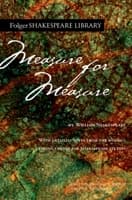
A collected edition of three plays-All's Well That Ends Well, Measure for Measure, and Troilus and Cressida-traditionally grouped as Shakespeare's "problem plays" for their resistance to conventional classification. While often placed among the comedies or tragedies, these works occupy a more ambiguous position, combining elements of both while departing from the expectations of either form.
The plays engage with questions of justice, authority, desire, and moral consequence, presenting situations in which resolution is partial, uneasy, or deliberately unresolved. Measure for Measure examines governance and the limits of law; All's Well That Ends Well complicates the structure of romantic comedy through questions of merit and obligation; and Troilus and Cressida offers a disillusioned treatment of heroism and conflict within a classical setting.
The term "problem plays," associated with the critic F. S. Boas, reflects both their structural ambiguity and their focus on ethical tension. Taken together, these works illustrate a phase in Shakespeare's writing marked by tonal complexity and a sustained engagement with social and moral difficulty.