


Bestsellers

Skepticism

![莊子 [Zhuāngzǐ]](https://i.thriftbooks.com/api/imagehandler/s/B3D65B1D2EB507061F093777D88B61B4140052FF.jpeg)
Non-Fiction



Critical Thinking
Epistemology

Philosophy


Philosophy Of Religion
Explore the World of Skepticism: Books to Challenge and Inspire
Skepticism invites us to question, investigate, and think critically about the world around us. Whether you’re searching for the best books on skepticism, seeking philosophical skepticism texts, or simply hoping to buy skepticism books that foster deeper understanding, this collection brings together essential reads for every curious mind. From foundational philosophy to engaging contemporary works and even thought-provoking fiction, discover books that encourage you to ask the right questions and embrace critical thinking.
Classic Philosophical Skepticism Texts
Philosophical skepticism has a long and distinguished history. These seminal works are perfect for readers who want to explore the roots of questioning knowledge, reality, and belief:
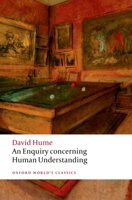
- An Enquiry Concerning Human Understanding by David Hume — A cornerstone of modern philosophy, this text examines how we come to know anything and why we should challenge unexamined beliefs.
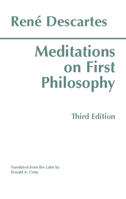
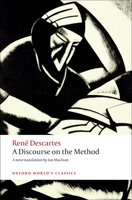
- Meditationes de prima philosophia by René Descartes — Dive into Descartes’ famous method of radical doubt, which laid the foundation for much of Western skepticism.
- Pensées de M. Pascal sur la religion et sur quelques autres sujets by Blaise Pascal — Pascal’s reflections grapple with faith, doubt, and the limitations of human understanding, making this a vital read for those interested in skepticism and religion.
These philosophical works are ideal for anyone interested in the intellectual traditions of skepticism and critical inquiry.
Modern Skepticism: Science, Society, and Critical Thinking
For readers who want to apply skepticism to contemporary issues—science, society, and the media—these books offer accessible, thought-provoking perspectives:
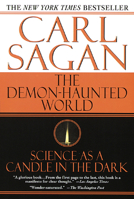
- The Demon-Haunted World: Science as a Candle in the Dark by Carl Sagan — Sagan’s classic makes a compelling case for scientific literacy and the value of skepticism in resisting pseudoscience and superstition.
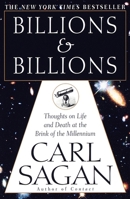
- Billions & Billions by Carl Sagan — In this collection of essays, Sagan continues his advocacy for rational thought, critical inquiry, and the importance of evidence in a complex world.
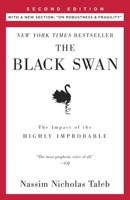
- The Black Swan by Nassim Nicholas Taleb — Exploring the impact of rare, unpredictable events, this book challenges our assumptions about knowledge and the limits of prediction.
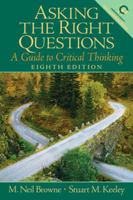
- Asking the Right Questions: A Guide to Critical Thinking by M. Neil Browne — This practical guide is a must-read for those who want to hone their ability to analyze arguments and spot faulty reasoning in everyday life.
These are some of the best books on skepticism for readers who want to navigate today’s information-rich, often confusing world with clarity and confidence.
Skepticism and Spirituality: Questioning the Supernatural
Skepticism isn’t just about science and philosophy—it also provides a lens for examining religion, spirituality, and the supernatural. If you’re interested in probing miracles, faith, and extraordinary claims, consider these essential works:
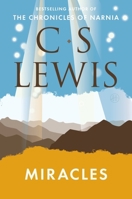
- Miracles: A Preliminary Study by C.S. Lewis — Lewis brings philosophical rigor to the question of miracles, exploring whether belief in the supernatural can be considered reasonable.
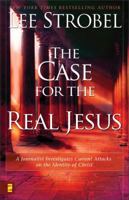
- The Case for the Real Jesus: A Journalist Investigates Current Attacks on the Identity of Christ by Lee Strobel — Investigative journalism meets critical inquiry in Strobel’s examination of modern challenges to traditional faith.
- Pensées de M. Pascal sur la religion et sur quelques autres sujets by Blaise Pascal — Pascal’s famous “wager” and his reflections on belief versus doubt make this a must-read for those exploring skepticism within a spiritual context.
These skepticism books are ideal for readers who want to thoughtfully engage with questions of faith, reason, and the unknown.
Critical Thinking for Everyday Life
Skepticism is more than an abstract idea—it’s a practical skill for daily decision-making. If you want to develop your critical thinking abilities and apply skepticism to real-world situations, start with:
- Asking the Right Questions: A Guide to Critical Thinking by M. Neil Browne — This approachable book offers tools and techniques for evaluating claims, arguments, and sources, making it invaluable for students, professionals, and lifelong learners.
- The Demon-Haunted World: Science as a Candle in the Dark by Carl Sagan — Sagan’s practical advice for separating fact from fiction is as timely as ever.
Looking to buy skepticism books that will sharpen your reasoning and help you navigate misinformation? These titles are a smart place to begin.
Skepticism for All Ages: Introducing Critical Inquiry to Young Readers
Encouraging a spirit of inquiry can start early. While many skepticism books are aimed at adults, some stories introduce younger readers to the importance of questioning and thinking for themselves:
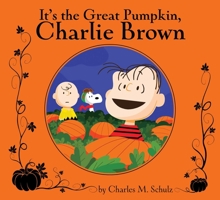
- It's the Great Pumpkin, Charlie Brown by Charles M. Schulz — This beloved classic gently explores belief, doubt, and the evidence for (or against) the supernatural, making it a fun entry point for families to discuss skepticism.
Whether you’re a parent, educator, or young reader, including accessible stories like this can help foster curiosity and a healthy sense of inquiry from an early age.
How to Choose the Best Books on Skepticism for Your Interests
With so many philosophical skepticism texts and critical thinking guides available, it helps to consider your goals:
- For foundational philosophy: Start with An Enquiry Concerning Human Understanding, Meditationes de prima philosophia, or Pensées to understand skepticism’s philosophical roots.
- For practical tools: Asking the Right Questions and The Demon-Haunted World offer actionable advice for evaluating information and arguments.
- For applying skepticism to religion or miracles: Explore Miracles, The Case for the Real Jesus, or Pensées for thoughtful engagement with faith and doubt.
- For exploring probability and uncertainty: The Black Swan is an insightful exploration of the unexpected and the limits of human knowledge.
- For younger readers: It's the Great Pumpkin, Charlie Brown introduces skepticism in a relatable and entertaining way.
No matter your background or interests, you can buy skepticism books that match your curiosity and reading goals right here.
Why Read Skepticism Books?
Skepticism is more than doubting for its own sake—it’s about seeking truth, understanding complexity, and making informed decisions. The best books on skepticism help you:
- Sharpen your reasoning and argument analysis skills
- Recognize bias, misinformation, and logical fallacies
- Appreciate the value of evidence and scientific thinking
- Engage thoughtfully with questions of faith, ethics, and morality
- Foster open-mindedness and intellectual humility
Whether you’re a student of philosophy, a science enthusiast, a seeker of truth, or simply someone who loves to challenge assumptions, this collection of skepticism books offers something for every reader. Start exploring today and discover new perspectives that will inspire you to keep asking—and answering—the big questions.
