


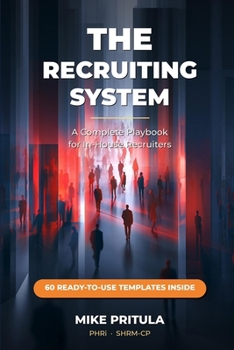
The Recruiting System: A Complete Playbook for In-House Recruiters

I've built recruiting from scratch in four companies and trained recruiters through thousands of searches.The same role dies the same way every time.
A requisition lands. The recruiter posts it on three job boards and waits. A week passes. A trickle ofmismatched resumes shows up. They screen whoever applied, send two to the hiring manager, and by weekthree they say the words that end a recruiter's credibility: "the market is tough." The manager stops trustingthem. The role stays open two more months.
Nobody asks the real question - was anyone actually searched for? Almost never. The people who could dothe job never saw the posting, were never contacted, and never knew the role existed. The search wasn't lost.It was never run.
What works:
The Pre-Search Market Map - size the market and the salary before the intake, so you walk in withanswers, not hopesThe Intake Interrogation - run the hiring-manager meeting like an investigation, not an order deskThe Sourcing Funnel Forecast - reverse-engineer how many people to contact to close, then contactthemThe Structured Scorecard - score candidates against criteria, not vibesWhat doesn't:
Post-and-prayGut-feel interviewsBlaming the market for a search you never ranThis is the system I taught across a 40-lesson recruiter certification course, now in one book. 60 ready-to-usetemplates inside - every worksheet, script, scorecard, Boolean string, funnel tracker, and onboarding planprinted in full, on the page, with a worked example. No downloads. No email walls.
Shally Steckerl's Talent Sourcing & Recruitment Handbook and Sharlyn Lauby's Recruiter's Handbook are thestandard references; Jonathan Kidder's sourcing-tools guide runs $19.99. One agency placement costs 15-25% of the hire's first-year salary - thousands of dollars per role. This book costs less than lunch and handsyou the whole system.
Stop posting and waiting. Start engineering the close.
Customer Reviews
ThriftBooks ® and the ThriftBooks ® logo are registered trademarks of Thrift Books Global, LLC
