


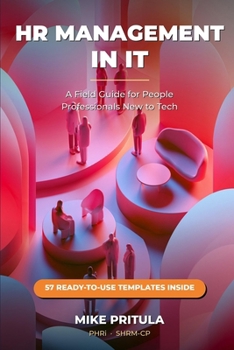
HR Management in IT: A Field Guide for People Professionals New to Tech

I've built HR inside a game studio, an edtech startup, and a SaaS company - and trained more than150,000 HR professionals, many of them in tech. The same pattern repeats in company after company.
A sharp HR manager arrives from a bank, a retailer, an agency. Week one, they roll out the annual review. Weekthree, a dress-code policy. By month two, the engineers have quietly decided HR is the compliancedepartment - and nobody tells them anything anymore.
It isn't incompetence. These are good HR people running methods that worked everywhere else. The trouble isthat "everywhere else" didn't pay in equity, didn't plan in OKRs, and didn't have a staff engineer who out-earnsthree managers and knows it. Tech runs on different fuel, and the old playbook loses the room before you'velearned anyone's name.
What works:
The Three Company Types - read startup vs product vs outsourcing before you change a thingThe Engineer Motivation Map - learn what your best people actually optimize forThe Equity Conversation - explain vesting and options without sounding like LegalThe OKR Operating Rhythm - replace the annual review with something engineers respectWhat doesn't:
Annual reviews in a company that ships before lunchLeading with policy instead of credibilityCopying a FAANG perk list you can't affordThis is the field guide for making the move into tech without starting your career over. 57 ready-to-usetemplates inside - no downloads, no email walls, just turn the page.
Laszlo Bock's Work Rules (about $19) tells you how Google did it. A tech HR consultant charges $200+ anhour to translate that to your company. This book hands you the working system for the price of lunch.
Read it before your first all-hands - not after.
Customer Reviews
ThriftBooks ® and the ThriftBooks ® logo are registered trademarks of Thrift Books Global, LLC
