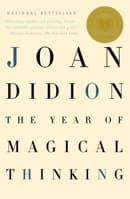
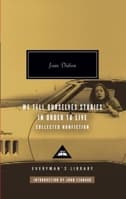
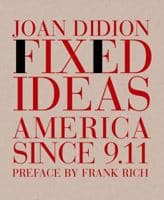
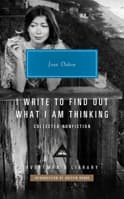
Distinguished novelist, essayist, and screenwriter Joan Didion has been called by James Dickey ""the finest woman prose stylist writing in English today.""
This is a great read. I wasn't sure if I was interested in the subject (not a big fan of conspiracy theories or the mid-80's), but I wanted to read a Joan Didion novel and this is the one that was on the shelf. I loved it. Reading this novel is like being Elena McMahon/Elise Meyer for 227 pages; her dreams and memories, the catch-phrases. A definite must-read.
1
★★★★☆
Momentous Events Writ Small
By Thriftbooks.com User, May 12, 2001
Joan Didion's The Last Thing He Wanted is a mysterious, gentle little book that ultimately is quite sad. Elena McMahon does a favour for her father and through that favour and through her we see the large unfathomable world of conspiraces and esponiage boiled to very human elements. There is a cold spareness to the writing that left this reader unmoved until after it was over and then the sadness powerfully washed over me. It is an unique and haunting look at the choices people make and the lives and events that one can affect with simple, irrevocable gestures. A beautiful novel.
0
★★★★★
A way with words...
By Thriftbooks.com User, December 31, 2000
I bought this novel from a bargain bin (because of the cover design), put it on a shelf, and didn't open it for over a month. When I finally picked it up, I read only twelve pages before I grabbed my highlighter... The writing style is deceptively simple and highly structured--breathtaking, actually. And the story is fantastic (and well told). Highly recommended.
1
★★★★★
Slouching Towards Reaganism
By Thriftbooks.com User, March 15, 1998
I'm a fan of Didion's pitch-perfect deadpan prose, but if you aren't, there are other joys in this novel. It offers a post-Orwellian assessment, in human, personal terms, of 1984, with a particular focus on the Fourth of July on an unnamed Caribbean island. Along with Don DeLillo's "The Names," Didion's novel is a masterpiece of American paranoia. It offers a dark yet plausible scenario of the collapse of American democracy under the weight of expansionist ambitions, mass media, and the stunning sang-froid of the silent majorities. A bit confusing at times, the novel is psychologically (and syntactically) complicated but apparently well researched--it is also very confrontational, relentless in its outrage and hopelessness.