

ISBN: B00HMTUBPQ
Book Overview
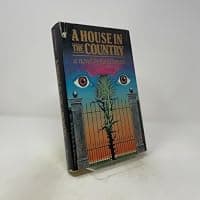
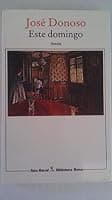
Primera novela del gran autor chileno Jos? Donoso en la que prefigura los temas que marcar?n su obra: decadencia, identidad, transgresi?n y locura... Andr?s, solitario y cincuent?n, es el desconcertado testigo de los ?ltimos d?as de una abuela nonagenaria que se debate entre la niebla y los rel?mpagos de la demencia. Esperp?ntica a la vez que realista, la primera novela del m?s c?lebre narrador chileno de este fin de siglo prefigura los temas que marcar?n su obra: decadencia, identidad, transgresi?n y locura...
En esta obra, el lector despierta a una realidad grosera, donde los personajes desnudan sus recuerdos y la historia de algunas rancias familias santiaguinas, encerradas en caserones que nutren sus obsesiones m?s oscuras. Un cl?sico de la novela latinoamericana. «El m?s literario de los escritores de nuestra generaci?n. Carlos Fuentes ENGLISH DESCRIPTION This first novel from renowned Chilean author exposes the themes that would mark his future works: deterioration of society, identity questions, transgression and madness... Andres, a fifty year-old lonely man, is the bewildered witness of the last days of a ninety-plus year-old grandmother struggling with the ins and outs between the fog and clarity of dementia. Grotesque yet realistic at the same time, this first novel by the most famous Chilean narrator of the end of the last century, foreshadows the themes that would mark his work: decadence, identity questions, transgression and madness ... In this work, the reader wakes up to a gross reality, where the characters expose their bare memories and also the stories of some rancid families in Santiago, locked up in mansions that nurture their darkest obsessions. This novel is a classic in Latin American literature. "The most literary writer of our generation." --Carlos Fuentes This description may be from another edition of this product.
En esta obra, el lector despierta a una realidad grosera, donde los personajes desnudan sus recuerdos y la historia de algunas rancias familias santiaguinas, encerradas en caserones que nutren sus obsesiones m?s oscuras. Un cl?sico de la novela latinoamericana. «El m?s literario de los escritores de nuestra generaci?n. Carlos Fuentes ENGLISH DESCRIPTION This first novel from renowned Chilean author exposes the themes that would mark his future works: deterioration of society, identity questions, transgression and madness... Andres, a fifty year-old lonely man, is the bewildered witness of the last days of a ninety-plus year-old grandmother struggling with the ins and outs between the fog and clarity of dementia. Grotesque yet realistic at the same time, this first novel by the most famous Chilean narrator of the end of the last century, foreshadows the themes that would mark his work: decadence, identity questions, transgression and madness ... In this work, the reader wakes up to a gross reality, where the characters expose their bare memories and also the stories of some rancid families in Santiago, locked up in mansions that nurture their darkest obsessions. This novel is a classic in Latin American literature. "The most literary writer of our generation." --Carlos Fuentes This description may be from another edition of this product.
- Format:
- Paperback
- Language:
- English
- ISBN:
- B00HMTUBPQ
- Release Date:
- January 1968
- Publisher:
- Seix Barral
- Weight:
- 1.01 lbs.
Related Subjects
More by José Donoso




Customer Reviews
A classic of the Latin American literature.
Andrés, a loner and fifty years old, is the sole witness of the last days of his grandmother--a 90 plus woman. His grandmother is between the fog and lightning of senility. She is demanding and realistic. The first novel of the best known Chilean writer of the twentieth century constructs a plot that will cover the following themes: decadence, identity, transgressions, and madness... In this novel, the reader will wake up to a reality where the principal players share their naked memories and their histories of decadent Santiago families, hiding in their old mansions, and feeding their most dark obsessions. A classic of the Latin American literature.
0
Decadence, madness and hope
This novel tells the story of the decadence of an ancient and wealthy family from Santiago (Chile's capital) in middle XX century. The author contrasts this story with the one about Estela and Mario, the former being one of the maids of the manor. It is the contrast between the decadent life of the rich and the sordid affairs of the very poor. It is a cruel and bitter reflection on life and what can happen after death; about lucidity and madness; about the impossibility of happiness whether one is rich or poor. The main character is Elisita Grey de Abalos, the matron of the family, now old and suffering from something like Alzheimer. In spite of her illness, Elisita turns out to be the most lucid and clear-minded of the whole set, being able to perceive the innermost emotions and intentions of those around her, even more clearly than they themselves. Her middle-aged and bachelor nephew, Andres, discovers too late that his pretended indifference about life and passions has not cured him from the lust for life. His brother in law, Carlos Gros, has enjoyed life's passions and pleasures but in the way he has lost what he treasured most. On the other side there is the story of the maid Estela and her impoverished lover, Mario. Estela is one of the millions of poor women who fall for false promises and sees her trust and love betrayed. Mario is poor and ignorant, but at some point he will be near success. However gloomy this sounds, ther is hope in the end: madness as a remedy against desire and rejection.I know this doesn't sound very engaging, but I assure you it is a very readable novel with substance to it, it is a clever depiction of very human developments and it is well written.
0
