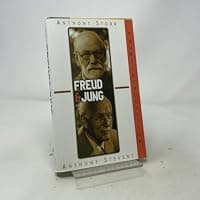
ISBN: 0006331661
ISBN13: 9780006331667
Jung (Fontana modern masters)
$28.79
ISBN: 0006331661
ISBN13: 9780006331667
Formats
Conditions
A readable copy with all pages intact.
Formats
Conditions
A readable copy with all pages intact.
Conditions
A readable copy with all pages intact.
Formats
Conditions
A readable copy with all pages intact.
Anthony Storr trained as a Jungian analyst, and this book is an excellent and lucid guide to Jung's ideas, such as the archetypes and the collective unconscious. Storr comes across as supportive to Jung but never blind to the great man's limitations as a communicator. Jung tended to be obscure, which does not help his readers. By contrast, Storr himself was a fine communicator, and his writing style is immensely readable. For anyone new to the subject, this is a very good introduction, and those already familiar with Jung and his ideas will still appreciate and benefit from this book.
This is the first book I have read about Jung, specifically, so my comments are those of a neophyte. Forewarned is forearmed. Anyway, I thought this was a very well thought out, cogent presentation of a rather slippery topic. Storr, in my opinion, does a good job of sifting Jungian wheat from chaff; although he is an admirer of Jung, he can be pretty critical. Overall, I thought Storr did a very good job of presenting Jung's thoughts and contributions to theories of divided self, the positive role of myth, etc. The book does raise many questions which it leaves unanswered, but I suspect that is a function of Jung's eclectic philosophy, not Storr's writing style, which I thought was very clear. Overall, a good presentation, in the opinion of this highly unknowledgeable reader (although there are some pre-feminist comments that had me cringing).