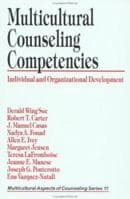
This must read for any helping professional is the first book to present a theory of multicultural counseling and therapy. After the authors presentation of their theory, experts in specific areas of the field (traditional theories of counseling, research, practice, training, organizational development, ethnocentricism/bias in counseling, and specific populations) present their views on the proposed theory and comment on how it applies to their particular areas of expertise. This description may be from another edition of this product.
This is an excellent book about theory and multiculturalism. The information is persuasive and totally convincing. I recommend this book to all who works with people.
0
★★★★★
The Most Promising CounselingTheory in Decades
By Thriftbooks.com User, June 26, 2000
As the profession of counseling moves forward, there is a growing need for theories to respond to the developing needs of our clientele. "A Theory of Multicultural Counseling and Therapy" (MCT) provides an excellent template for this process to begin. MCT is designed in such a way that it provides practitioners and practitioners-in-training the logical accumulation of years of research on counseling in a diverse society. This text moves counselors away from seeing people of differing cultures in a stereotypical manner toward a more theoretically integrative way of conceptualizing clients. The "common factors" approach used throughout the text focuses on shared characteristics from different schools of counseling and psychotherapy. MCT has arrived as the birth of a forward-looking counseling metatheory both responsive to past data as well as calling for research to challenge and modify it in the future. I strongly feel that all practicing psychologists and counselors should read MCT and that it should be included in the coursework of every trainee. Multicultural practice should no longer be considered a specialty, but instead should be seen as currently normative and the future of our field.