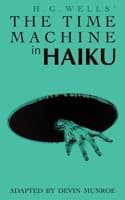
The Time Machine
Conditions
A brand-new, unused copy in perfect condition.
Formats
Conditions
A brand-new, unused copy in perfect condition.
Conditions
A brand-new, unused copy in perfect condition.
Formats
Conditions
A brand-new, unused copy in perfect condition.
Journey to a haunting dystopian future with H. G. Wells' The Time Machine, now beautifully republished in Appointed Media's Timeless Classics series. This edition combines timeless storytelling with stunning design. A classic cover and spine and historical author photos through time make it a must-have for readers, collectors, and homeschoolers alike.
Discover the story through a fresh lens with a foreword from Michael A. Matteo, offering insight into Wells' exploration of human progress, morality, and destiny. Every copy contains H. G. Wells' signature on the inside cover, and a link in the end materials to free supplemental resources: study guides, discussion prompts, and activities to enrich your reading.
More than a tale of time travel, The Time Machine is a cautionary dystopia, challenging readers to consider society's future and the choices we leave behind. Perfect for families, educators, and lovers of thought-provoking literature, this edition blends adventure, reflection, and collectible beauty. It is an unforgettable classic for generations to come.
An unnamed time traveler sees the future of man (802,701 A.D.) and then the inevitable future of the world. He tells his tale in detail. Some of the details are fascinating as the traveler comes to discover the secret of the results of social stratification over centuries, which eventually creates two separate species of humans. Which species is more human? Can anything be done to prevent or correct this? I grew up on the Rod Taylor /George Pal movie. When I started the book, I expected it to be slightly different, with a tad more complexity than with most book/movie relationships. I was surprised to find the reason for the breakup of the species (Morlock and Eloi) was class Vs. atomic (in later movie versions it was political). I could live with that, but to find that some little pink thing replaced Yvette Mimieux was too much. After all the surprises, we can look at the story as unique in its time, first published in book form in 1895, yet the message is timeless. The writing and timing could not have been better. And the ending was certainly appropriate for the world that he describes. If the story were written today, the species division would be based on eugenics.