ISBN: 0140014721
ISBN13: 9780140014723
Modern Classics Plague
$7.19List Price: $5.00
ISBN: 0140014721
ISBN13: 9780140014723
Formats
Conditions
A readable copy with all pages intact.
Formats
Conditions
A readable copy with all pages intact.
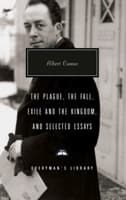
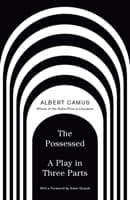
like the poor souls before me, I also received a copy with a different cover than what was shown (specifically, the black/white high contrast design by helen yentus). the camus section of my shelf will never be complete... great book otherwise
I ordered this version of this book specifically so that the cover would fit into every other copy of Albert Camus that I have in my library.. sadly when it arrived it is a much poorer copy than expected, as well as unrelated cover design.
I’m actually going to check and compare ISBN because this has only happened a couple times but it’s happened again on a bad day for me so now I’m writing a 2star review.. Don’t even get me started on just a handful of days ago speaking in the phone with someone about how the frankenstein book i tried to order twice was “refunded” (i’m STILL waiting) I’d rather not use amazon guys…
worthwhile read
The characters are what really stood out to me in this book. All unique, well developed and likeable which isn’t something I find often. A must read classic
Having submitted this review in spanish and not having it posted, I'll try again in english.......Camus reached fame with his elaborations about the concept of the absurd (the purposeless search of the meaning of existence in a universe void of any)in three works: The Stranger, a novel; Caligula, a teathrical opus; and The Myth of Sisyphus, a recopilation of philosophical essays.In his second famous novel, The Plague, we find a different Camus. Perhaps, more concerned about moral values and solidarity between human beings, in the face of massive destruction. The plot of the novel unfolds in the city of Oran, Algeria. The central image has to do with a rat invasion that causes a plague epidemy, with disastrous consecuences. Here we find metaphorically portraited the invasion by the Nazis in 1943 of non occupied France (Camus said that the Nazis came like rats).Then we find a description of the evolution of the plague, the reaction of the authorities (at first, self denial), the progressive isolation of the town from outside world, and on the onset the "normalization" of the tragedy (people grow accostumed to live with it, and become zombies). After the evolution and the growth of the problem, the inhabitants become completely isolated from the outside, and become prisoners in the inside, due to the drastic measures taken by the authorities. The plague becomes a collective problem that requires recognition and reaction by all. We have here a clear metaphorical reference to the need of a collective reaction to the Vichy government by all the citizens. The call to participate and react becomes a moral issue. Camus then describes with certain detail the soccer stadium where people are forcibly concentrated by the authorities, and this is an allusion to the Nazi concentration camps. More than the persons, the protagonist of this novel is the city. In the sense that the values of solidarity and participation against a common disaster or enemy are called for, this novel is much more developed, from an ethical standpoint, than The Stranger.