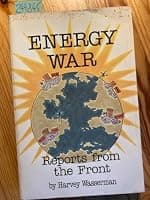
A fast-paced, shoot-from-the-hip "people's history," The Last Energy War is an accessible, entertaining, and infuriating narration of how the electric power business started, how it almost bankrupted the nation, and how it is now soaking the public to pay for its trillion-dollar atomic mistake. From the electric chair to Chernobyl, from Thomas Edison to Cleveland's "boy mayor" Dennis Kucinich, this fascinating little book shows how the mega-utilities squashed solar power, how a military-utility alliance helped force atomic reactors down the public throat without a vote, and how a score of bought state legislatures have already handed corrupt utilities $200 billion in pure pork through a bogus deregulatory process. Merciless in its Robber Baron critique, The Last Energy War also builds on American heroes such as Franklin Roosevelt and George Norris to offer a blueprint for how we can take back out power supply. Relentlessly optimistic, it is the one book you must read to understand what's really happening to you when you turn on your lights--and then get the bill.
Having been has been involved on both sides of the energy equation exploring for oil, gas and geothermal resources using seismic and magneto-telluric methods and working for the utility industry in coal, natural gas, and nuclear power plants, I can say that Harvey Wasserman has written a book that details exactly how and why we're in the mess we're in.This book is primer for anyone who wants a breif history of the utility industry. It begs the question of when the public will wake up and take back what corporations have stolen from us.
0
★★★★☆
Good alternative view point
By Thriftbooks.com User, September 8, 2001
The author does a good job explaining how the deregulation has allowed the utilities to push the cost of their investment decisions on to their customers and taxpayers. Read it with an open mind and take it as one opinion in the deregulation debate.
0
★★★★★
Essential background for the mess we're now in
By Thriftbooks.com User, January 24, 2001
I read Harvey's book when it first came out. I'm not an expert on this subject, but the issues he raised in a highly accessable style worried me, although no one was talking about them at the time. Now, they're front page headlines. We think these decisions just happen, then discover when we read a book like this, that they're product of huge political interests, and that we, the ordinary citizens, pay the toll. A wonderful rallying cry for a more democratic approach to key energy issues. Paul Loeb Author Soul of a Citizen: Living With Conviction in a Cynical Time [www.soulofacitizen.org]
0
★★★★☆
Good, concise history of electric industry deregulation
By Thriftbooks.com User, February 16, 2000
My only significant criticism of the book is that it is a somewhat one-dimensional assessment of a multifaceted phenomenon. While the issue of restructuring the electric industry is complex, and the economic drivers are deeper than Wasserman details in the book, the book is still an absorbing assessment of the impact that occurred when the electric utility industry embraced commercial nuclear energy. "Too cheap to meter," was the mantra of the 1950's. Well, we all have a basic energy became, in some respects, a tremendous white elephant for the industry and it's regulators. Wasserman opines that the investment required was enormous, and the return has never been completely realized either in economic, social, or environmental benefit.