Selected for inclusion in Preaching magazine's "Annual Review of Outstanding Books for Preachers 2006"
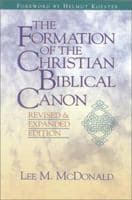
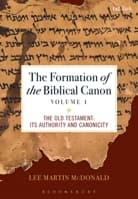
This is the thoroughly updated and expanded third edition of the successful The Formation of the Christian Biblical Canon. It represents a fresh attempt to understand some of the many perplexing questions related to the origins and canonicity of the Bible.
McDonald's book has been judged by many biblical scholars to be a good contribution to the historical inquiry about the origins of the Bible. It is not written from a spiritual perspective nor from the position of biblical inerrancy, which not only gets in the way of a careful historical inquiry and it (inerrancy) is also impossible to defend from a bibical and historical perspective. Inerrancy is a matter of faith and cannot be demonstrated either from the data of Scripture or from the ancient artifacts that remain such as the biblical manuscripts that have survived antiquity and also from the early church's practice of copying the scriptures and their making changes to the sacred texts (both accidental and intentional changes). Those who evaluate books only on the basis of whether the books support their views of biblical inerrancy have limited their focus and demonstrated their inability to review a book criticially and on the book's own merit.
1
★★★★☆
Liberal Perspective
By Thriftbooks.com User, November 25, 2008
McDonald does not believe in biblical inerrancy, therefore the basis of his approach is from the broader scope of all who claimed to be Jewish or Christian, not just those who followed the orthodox tenants of Christianity. For those seeking a broad understanding of the genre and culture of those early centuries, McDonald has done a solid job of giving it. However, his work, by denying the supernatural involvement of the Holy Spirit in the canon's formation, will not prove helpful to the majority of evangelical students of the biblical canon.