A unique epic poem - ensure you get the right translation!
By PotatoMan, June 16, 2026
Verified Purchase
This is a mandatory read for anyone obsessed with classics (or students). The story, regardless of translation, becomes more difficult to follow in the 2nd half, particularly the final third, where the chaos of the verse was meant to mimic the chaos of battle. Hang in there! I found the Mandelbaum translation to be clunky and passionless. Having read and loved Robert Fitzgerald's translations of both the Iliad and the Odyssey, I again turned to his expertise, which retained the lyrical beauty of the poem without dumbing it down. Robert Fitzgerald was a poet in his own right, and I think his treatment is both the most accessible (without insulting the reader's intelligence) and the most true to Virgil's intent. Roman Latin is difficult to put into modern English to begin with (word order issues, etc) but to combine it with the challenge of verse as well - whew! Quite an undertaking.
0
★★★★☆
Aeneid epic.
By Thriftbooks.com User, January 18, 2008
This epic is definitely a fun story. This verse translation was very accessible. It was easy to understand. This story should be read just as much as the Iliad.
4
★★★★★
Reader-Friendly Version of the Classic
By Thriftbooks.com User, March 21, 2007
First, I'm not qualified to opine on whether Mandelbaum's translation is true to the Latin. I struggled with Virgil's complex poetry as a 4th year Latin student and have no idea if Mandelbaum gets it right. But this translation is eminently readable, retaining the feel of epic poetry. I have the feeling that any flaws in Mandelbaum's rendering reflect shortcomings in Virgil's original text. Second, this is a very handy edition, especially for the price. Even if you already own the Aeneid in other form, you might want to pick this one up. It is a pocket-sized paperback, yet the print is not tiny and is very readable. This is a better edition to bring with you on the plane than one of the bulkier versions. Plus, this edition provides an excellent glossary, which is an absolute must given the torrent of names that flow through this work. Finally, the Aeneid itself: Virgil is a literary titan, if only for his Georgics. The Aeneid is also a towering work, but troubling and flawed. Virgil himself was troubled by this work, which he left unfinished with instructions for it to be destroyed. In his effort to give Rome its own epic, combining features of both the Odyssey and Iliad to create the Aeneid, Virgil adopted some of the less interesting mannerisms of those older works. In particular, the battle scenes are violent, soaked in blood, long on smashed brains and decapitations and dripping entrails, short on exploring the pathos of life cut short for the sake of pointless conflict. It reads much like the Iliad, with seemingly endless lines of "A slew B and C slew D and E slew F." Maybe this was good stuff to an ancient Roman but to a modern reader it is boring in the same way as all the "begats" in some books of the Bible. Even more disturbing than the over-the-top, repetitive violence of the work is the sense of underlying pessimism, as every time reason and peace seem about to prevail, some god or goddess shakes things up and -- all too easily -- the killing starts anew. Maybe this reflected Virgil's own disgust with the times that he had lived through, with civil war erupting every few years until Octavian had finally killed off every other rival. But the rivers of blood that are spilled in the second half of the Aeneid do not make for as ennobling a foundation myth as perhaps Virgil was looking for. While Rome is destined for greatness, it is so because Jupiter has said so, has decided to favor Aeneas above his enemies, not because of anything inherently great about the proto-Romans. Maybe, had Virgil lived longer, he might have found a way to tweak this work to have Aeneas end up as more than just an executioner for Fate. And it is in the first half of the epic that Aeneas indeed is more than just a slayer. His romance with Dido is perhaps the most famous story within the poem and, although it is also marred by too much Olympian meddling, portrays Aeneas as possessing humanity and a capacity to love that is missing at the end. His descent int
7
★★★★★
Solid rendering
By Thriftbooks.com User, June 5, 2000
This is a very good English verse rendering of Virgil's classic. If you like epic poetry but can't read classical languages this translation is probably the next best thing. Though nothing compares to the original this is a faithful translation, and the verse makes for a more interesting presentation than prose.This is a "no frills" volume (hence the price), so it is best for readers who already know the basic premise of The Aeneid and the main characters. It has a basic glossary that may be a useful refresher for knowledge already acquired, but it lacks the translator's introduction that typically sets the stage (both for the plot and the poem's place in history) and triples the price in other volumes.
The Odyssey is upon us!Christopher Nolan's star-studded new epic is one of the biggest book-to-screen releases ever. One of the oldest surviving works of literature, the Odyssey was first composed around the 8th or 7th century BC. Herearea boatload of books to compliment your Odyssey-watching experience!
As we welcome the month ahead, we're shining a light on notable and acclaimed October-born authors. We're delighted to celebrate them and their beloved works of fiction, nonfiction, poetry, theater, and more.
A new Hunger Games prequel comes out March 18 and we've got our preorders on lock. In the meantime, we're delving into the early influences that inspired the hit series by Suzanne Collins and we've put together a roundup of reads based on Greek mythology. Plus, we share a list of the author's favorite books growing up.
Poetry is one of the purest forms of expressing the human experience. It also offers a reflection of the era in which it was created. For National Poet’s Day on August 21, we celebrate the age-old artform with a tour of poetry through the ages.
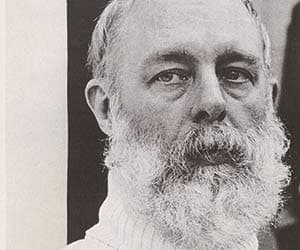
Illustrator, author, animator, puppeteer, cartoonist, these are just a few of the titles that can be given to the talented Edward Gorey. Like many illustrators, Gorey has never been a household name. Despite this, however, his works have a devout cult following. You've likely come across them without realizing. Of all his oeuvre, nowhere is this combination of artistic style and fascination with the darker elements of humanity more evident than in his abecedaria.