ISBN: 0138302332
ISBN13: 9780138302337
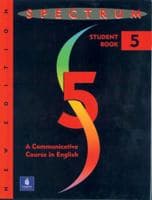
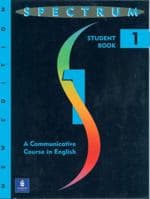
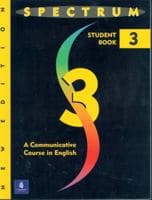
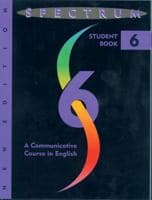
Spectrum: A Communicative Course in English, Student Book 6
ISBN: 0138302332
ISBN13: 9780138302337
Formats
Conditions
Formats
Conditions
Conditions
Formats
Conditions
Part of a 6-level course in English that teaches communication in real life situations. The language presented is authentic and useful, providing rich input for practice. The books are filled with opportunities for personal expression and activities that stimulate communication.
I'm a teacher in Chile, and I've using this series since 1995. The texts indeed follow the rules of the notional functional aproach. As a T E F L tool, it is focused mainly to be used in the U.S.A. there are some exercises in which the students in the classroom, supposedly, are from different parts of the world, notwithstanding, in my classes there are only Chilean students, so we must pretend that they are from different nationalities. I'd suggest that the editorial, or much better said, the authors, should bear in mind that. With respect to the videos, they should be interactive, i.e., there should be opportunity to respond questions, or the appropriate phrase or sentence, for example: a person in the video could say: "Hi, I'm John Sanders", and the students answer:(chorally or individually)"Hello, my name's Arturo Perez" and then: "Nice to meet you, Arturo." "nice to meet you, too, John",etc.
I'm a teacher in Chile, and I've using this series since 1995. The texts indeed follow the rules of the notional functional aproach. As a T E F L tool, it is focused mainly to be used in the U.S.A. There are some exercises in which the students in the classroom, supposedly, are from different parts of the world, notwithstanding, in my classes there are only Chilean students, so we must pretend that they are from different nationalities. I'd suggest that the editorial, or much better said, the authors, should bear in mind that for future editions. With respect to the videos, they should be interactive, i.e., there should be opportunity to respond questions, or the appropriate phrase or sentence, for example: a person in the video could say: "Hi, I'm John Sanders", and the students answer:(chorally or individually)"Hello, my name's Arturo Perez" and then: "Nice to meet you, Arturo." "Nice to meet you, too, John",etc.