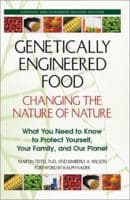
The biodiversity crisis -- the extinction of thousands of species of plants and animals -- is not just a faraway problem for scientists to solve. Instead, the crisis is as close as our backyards, our gardens, and our refrigerator shelves. This engaging, practical guide inspires average Americans to wield their consumer power in favor of protecting the world's plant and animal species.Environmentalist activist Martin Teitel offers compelling evidence that by slightly modifying how we shop, eat, and garden, we can collectively influence the operating decisions of today's corporate agribusiness and help preserve our precious genetic resources. Teitel offers strategies so simple that they require no significant lifestyle change or expense. This description may be from another edition of this product.
Did you know that biodiversity is a matter that affects the plant and vegetable kingdom? Once there were many different kinds of apples, now it seems there are only a few kinds grown in great numbers for mass consumption. Because consumers demand perfect looking produce, growers are encouraged to use pesticides and other artificial methods to make produce look appealing. This practice is ecologically dangerous. This is an informative and practical book, with suggestions about how the average shopper can turn the tide of the potentially harmful demand for non-diverse, uniformly and artificially appealling produce