ISBN: B01D1PHXH8
ISBN13: 9781447289616
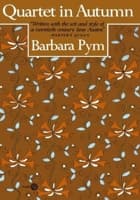
Quartet in Autumn
ISBN: B01D1PHXH8
ISBN13: 9781447289616
Formats
Conditions
Formats
Conditions
Quartet in Autumn was Pym's 7th published work (although it was actually written after The Sweet Dove Died). It was the first novel to be printed following the 1977 Times Literary Supplement article which led to a resurgence of interest in her work by the publishing industry. In that article, poet Philip Larkin nominated her as the most under-rated novelist of the century. While today Pym may be more well known, she still is not nearly as widely read as she deserves. And that's really a pity, because I would be hard-pressed to come with a novelist who I would rate more highly. Quartet in Autumn is a portrait of aging. More than that, however, it is also a book that uses aging as a lens to zoom in on the lives of four apparently unremarkable people. Almost more than in any other one of her novels, Pym reminds us that everybody has a story and that the story does not end or stop changing until their death. As usual, her gaze as an author is unflinching and unsentimental-- her characters are neither romanticized nor judged. She is a masterful writer, and her smooth clear style is at its best in these pages. I would put Quartet in Autumn up there with Pym's best work-- in the same category as The Sweet Dove Died and Excellent Women. It should appeal both to established Pym fans and to readers new to her work.
I can't count the times I have picked up Quartet in Autumn to savor again the quiet and exquisite lives of Edwin, Letty, Marcia, and Norman. I discovered this book when I was in my twenties, and my attraction to it then remains inexplicable...but Pym's delightful wry portraits of the four aging coworkers as they move inexorably toward retirement (and beyond) really defy categorization. This may be BP's finest novel; it is certainly my favorite of hers, and I loved them all. I've bought it as a gift again and again and agree with that famous observation (was it Larkin's?) that Pym is one of the most underrated writers of this century. A crown jewel among books!
Every Barbara Pym novel is excellent. And, from most of them, you know what to expect: spinsters and curates and cakes and jumble sales.But this one is about four people, old, and getting older, each one, in their own way. And this one is not just excellent: it is amazing.The arch gaze which Pym usually trained on comfortable, mundane, church society, is, in Quartet, focused upon eccentricity: the growing manifestation of uniqueness which signifies old age. With a sensitivity which is unusual in the literature of any age, let alone that of this century, Pym follows the meanderings of her protagonists' minds,through their every day activities. Gradually, she derives an astounding narrative about the development of individual perspectives as they are colored by time. It's a slow novel, a careful one, and one which turns Barbara Pym's penchant for wry insight into a sympathetic tribute to the human psyche.
This is my Favorite of all her books, and I like all of her books. While she often writes about fairly hopeless people, I think it is the only book in which she treats absolute desperation. Except for Edwin, the characters are not only never married (if I remember correctly) but none of them are especially well educated; not the poetry-fans of her other books. Isolated urbanites should enjoy her story of urban isolation and the fear of falling through the cracks in welfare net.