I'm glad I bought this book. As an author of suspense myself, I found it very worthwhile. It won't teach you how to write--but I've found no book can really do that. In the same vein as Stephen Kings book On Writing, it is more an account about how this highly successful author developed her craft over the years, her successes and failures. If you want a how to guide you would be better off with another title. It also enhances the enjoyment of this book if the reader is familiar with Highsmith's books. I found it interesting to know where she got her ideas and how she developed a small incident into a novel.
1
★★★★★
Behind the Scenes at the Abbatoir
By Thriftbooks.com User, August 7, 2003
A modestly written, terse, readable and nuts and bolts book about how plots come to be put together, how a writer makes a living (or doesn't) and how to tell the story. What I found most charming about this "How-To" book was that it wasn't chirpy, wasn't preachy, didn't have a whiff of unreality arising from its advice, and was eminently practical. The only crime writing manual so far that I have picked up, browsed in, bought, took home and actually finished reading from cover to cover (sometimes doing the reading on a bus, that's how gripping it is). Recommended.
1
★★★★☆
How She Did It
By Thriftbooks.com User, May 26, 2002
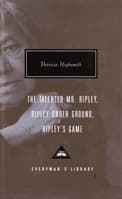
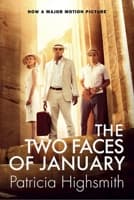
In her introduciton to Plotting and Writing Suspense, prolific suspense author Patricia Highsmith tells us that this will not be a how-to book, but a book that collects her own ideas and thoughts on the craft of writing. She isn't there to give us a grammar lesson. She wants to tell us how she does it and, hopefully, teach us a thing or two in the process. It's great fun to read this legendary author's thoughts. After all, Highsmith has written some of the best novels of suspense; The Two Faces Of January, The Blunderer and, of course, The Talented Mr Ripley series. In this book, she collects her thoughts on the genre and on the process of writing. And she tells us quite bluntly that what worked for her as an author might not work for us. But I think that any author (or fan) could and will learn a thing or two from this author's lessons. The best parts are when Highsmith takes her own books apart to show her readers that not even the established writer is safe from the typical mistakes most writers will make at one time or another. And if there is one thing that you'll come away with from reading this book is that writers (pros and beginners alike) have to learn to practice and practice and practice some more. Practice, according to Highsmith, does make better. And that is one lesson I will not forget.
2
★★★★★
Beyond Genre To Literature
By Thriftbooks.com User, December 26, 2001
This book is an excellent essay on the craft of writing, far beyond any label or genre you might want it to focus on. Honest and intelligent, Patricia Highsmith writes without flamboyance of any kind about all the steps going along the creative process. And in doing this, she really helps the writer-reader take consciousness of his craft, giving him realistic advice and motivation. "Plotting and Writing..." is not a "how to" book. It doesn't give you any formula nor pretends to have found the golden way of creating a story. But it is a true infusion of shared experience from a very talented writer and a bright person. And most important: Mrs. Highsmith's book teaches there's not such a thing as "Suspense Literature" or whatever. As Duke Ellington said about music, there are only two kinds of literature: the good one and the bad one. Patricia Highsmith deals with the good one.
1
★★★★★
General advice, because suspense is universal
By Thriftbooks.com User, December 5, 2001
Patricia Highsmith doesn't sell out, despite writing in the suspense genre. The reason, as one gathers from this book, is that she sees suspense as a necessary ingredient of all fiction; the suspense genre simply focuses on the most extreme kinds of dread and excitement. I found the book just about right as to depth vs. chattiness. It's true there's only so much one can teach about the writing process. Everything an aspiring writer encounters in his own practice is covered: plotting, first drafts, second drafts, revision. Highsmith's telescoped prose is a lesson in itself and worth the price of the book. We need as many encouraging monographs like this, written by masters who take the time to address the rest of us, as we can get.
0
Plotting and Writing Suspense Fiction Mentions in Our Blog
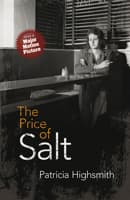
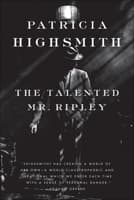
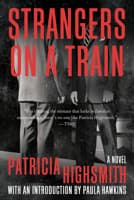
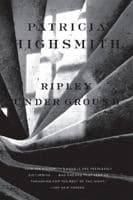
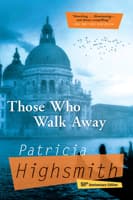
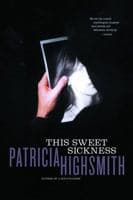
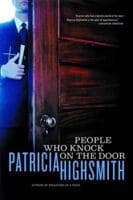
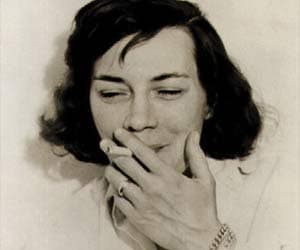
Patricia Highsmith's life was marked by difficult personal relationships, self-destructive tendencies, and an endless pursuit to refine her work as an artist. A flurry of new television and film projects regarding the author have recently been announced. In the meantime, here are our picks for the essential Patricia Highsmith reading list.