


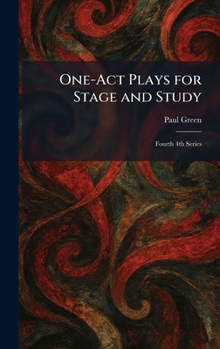
One-Act Plays for Stage and Study: Fourth 4th Series

"One-Act Plays for Stage and Study, Fourth Series" is a comprehensive anthology of short-form dramatic works curated for both theatrical performance and academic analysis. This volume brings together a diverse selection of plays from the early twentieth century, showcasing the technical mastery and creative range required by the one-act format. Featuring contributions from acclaimed playwrights such as Paul Green, the collection offers a rich tapestry of genres, from poignant social dramas to lighthearted comedies, reflecting the artistic diversity of the era.
As a vital resource for actors, directors, and students of literature, this work emphasizes the structural precision and immediate impact of short plays. The selections are chosen for their stageability and literary merit, making them ideal for workshop study or live production. "One-Act Plays for Stage and Study, Fourth Series" remains a significant document of theatrical history, capturing the evolving styles and thematic interests of the 1920s stage. Whether for the classroom or the spotlight, these plays provide a timeless look at the power of concise storytelling and character development.
This work has been selected by scholars as being culturally important, and is part of the knowledge base of civilization as we know it. This work was reproduced from the original artifact, and remains as true to the original work as possible. Therefore, you may see the original copyright references, library stamps (as most of these works have been housed in our most important libraries around the world), and other notations in the work.
This work is in the public domain in the United States of America, and possibly other nations. Within the United States, you may freely copy and distribute this work, as no entity (individual or corporate) has a copyright on the body of the work.
As a reproduction of a historical artifact, this work may contain missing or blurred pages, poor pictures, errant marks, etc. Scholars believe, and we concur, that this work is important enough to be preserved, reproduced, and made generally available to the public. We appreciate your support of the preservation process, and thank you for being an important part of keeping this knowledge alive and relevant.
Related Subjects
DramaCustomer Reviews
ThriftBooks ® and the ThriftBooks ® logo are registered trademarks of Thrift Books Global, LLC
