Book Overview
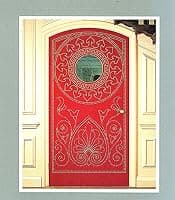
An article in the Girl's Own Annual of 1914 recalls the writer's childhood thrill of discovering her mother's wedding dress and veil stored away in an attic; 'By the time I had come to an age to appreciate such things, the wedding gown was a bit yellowed with the years, and the fine tulle of the veil was a great deal matted, but ... to me they were the most desirable things in the entire old house.' The dress survived as a result of its owner's sentimentality, and as a souvenir of an important event and change in her life, just as so many others have been lovingly nestled in tissue paper and scented with lavender. This book traces the development of dress from the silver and white brocades of eighteenth-century formal, aristocratic weddings, to the elegant crinoline revivals of the 1960s and '70s. The wearing of a white dress with a veil gradually gained ground during the nineteenth century, and the tradition as we know it seems to have been well established by the 1880s, probably influenced by the marriages of Queen Victoria, her children and grandchildren. Even then, fashionable white weddings were the preserve of wealthy families. Many brides were married in the best they could afford, often a smart day dress which could also be worn on many occasions after the wedding. Wedding veils might be used again in another form, particularly as christening robes. sShelley Tobin has drawn on the collection of wedding dresses owned by the National Trust and kept at Killerton House in Devon. Whenever possible, she has focused on gowns and accessories where she can trace the provenance of the wearer or maker. The dresses themselves are supplemented with fashion plates, portraits and photographs, together with bridesmaids' dresses, flowers, favours and customs, to provide a fascinating social history of the past three hundred years. Book jacket. This description may be from another edition of this product.