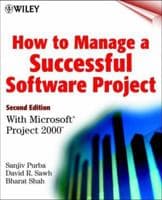
Learn to initiate, develop, and implement effective, user-pleasing software projects on time and within budget. Here is your chance to learn software project management from a host of successful IS managers as well as three of the leading authors in the field. This one-of-a-kind handbook integrates topics that have historically been treated separately and establishes a strategic framework for project initiation, justification, and executive sponsorship. It defines the role of the project manager within the context of the organization and examines such issues as: realistic planning, why projects fail or succeed, proactive management, aligning IS and business requirements, project communication, assessing team members, and the effective use of JADs. Entertaining anecdotes and case studies document both successful and unsuccessful projects, and the responses of more than 60 top-notch IS managers to a detailed management survey supplement the extensive conclusions made by the authors. This indispensable guide: Explains the roles of key players involved in the systems development process Outlines a checklist of factors to consider when initiating a project Offers a method of measuring project success or failure Examines common avoidable reasons for project failure Introduces Interactive Project Development Methodology (IPDM) Provides a basic tutorial for using Microsoft Project 4 to help manage projects successfully Can be applied to any phase of the systems development life cycle and to both in-house and outsourced projects
This text is a good resource for educators, students, and IT professionals. So regardless of whether the reader is a novice, academic, or practioner he or she will find it useful. It is well written, and the topics are presented with clarity. The sequence of the topics and overall format of the content is presented in a structured manner and builds on concepts that were discussed previously. This text incorporates teaching and learning techniques that make it appropriate for class room use. The supplementary materials provide readers with opportunities to apply the techniques described in the book. The introduction of the Iterative Project Development Methodology (IPDM) outlined in this book will update the knowledge and skills of IT professionals whose projects may include n-tier architecture, legacy applications, open systems, Web-based applications, and e-business solutions. In addition to the wide array of methods, tools and approaches presented, I found the discussion on the pitfalls and cost overruns of software projects particularly insightful. Understanding the factors that cause these projects to fail is crucial to assessing the risk factors which are related to specific projects. The authors point out the sources of pitfalls associated with software projects, they explain how such pitfalls can be avoided by the implementation of current project management methodologies. This approach justifies the need for implementing best practices using Microsoft Project 2000. This book provides comprehensive coverage of software project management, it is an excellent resource.
0
★★★★★
Great way to manage software development with MS Project
By Thriftbooks.com User, January 24, 2002
I am coming back to Microsoft project after many years and found this to be a useful guide to develop a comfort level with this software quickly. The book also describes software management methodology, and describes software managment prcatices that can be applied to development projects especially in a business environment.The Hands-on tutorial and practioner oriented templates were clearly explained and exercised the most useful and important features of Microsoft's Project.I recommend this for software project managers, business analysts, or CIO's that have project management experience but have not used software based Project management tools before.
0
★★★★★
A must have for practicing PMs
By Thriftbooks.com User, January 24, 2002
A great reference book for all practicing PMs. You can pick up some excellent tips on managing software development projects.
0
★★★★☆
Covers all of the bases, but not enough detail
By Thriftbooks.com User, June 23, 2001
This is a very useful overview of project management process(es). My only complaint is that it doesn't got into enough detail on some of the documents you need to produce. The samples on their website aren't particularly useful, either. One other gripe is that the target audience seems to be employees of companies who run multiple projects, rather than consultant-types like me.I gave it 4 stars because, in spite of my complaints, this is a very readable book, and serves as an excellent introduction.
0
★★★★☆
Good basic source for project managers
By Thriftbooks.com User, May 23, 2000
This book covers a good range of basic project management issues. It has good chapters on why projects fail and why projects succeed, with very specific issues outlined. All in all, I found this book to be very practical and hands-on, and one of the best I've seen for getting an overview of the subject. Applicable to more than just software projects; it would also be useful for web project managers and producers. I am hoping an updated version will be coming out, because a large section of the book is dedicated to project management using Microsoft Project 4, now outdated. However, I would still recommend this book for anyone trying to get a good grip on this topic.