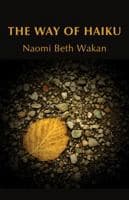
"Haiku should be written as swiftly as a woodcutter fells a tree or a swordsman leaps at a dangerous enemy." Basho, the father of haiku poetry, was of samurai stock himself and so wrote these words from experience. Haiku originated during the time of the samurai, a time when everyone realized that to speedily draw a sword or hit a target with an arrow required a lot of practice. It is just the same with haiku. If you want to hit your target when you write a haiku, like the samurai you will have to do some warming-up exercises. Haiku - one breath poetry not only provides exercises and pointers for would-be haiku poets, it also encourages people everywhere to share their experiences in this way. Haiku writing isn't just for poets, though, it's for anyone who has stopped to look at a great sunset, a weird and wonderful lizard, a striking flower, or anything that made them pause and wonder ... and marvel. Book jacket. This description may be from another edition of this product.
Intended for young people, this book is fascinating and informative for both students and adults. Wakan gives historical and cultural background about haiku, and explains things to the reader that other writers about haiku take for granted, and sometimes neglect. She explains traditional rules and devices--and their exceptions--one at a time, in an interesting, progressive format. I use Haiku: One Breath Poetry in my teaching, and for my own writing development.