


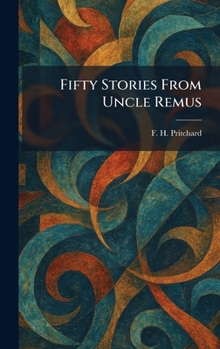
Fifty Stories From Uncle Remus

"Fifty Stories From Uncle Remus" is a curated collection of classic animal fables and folklore, bringing together some of the most enduring tales from the oral traditions of the American South. This volume features the legendary character Uncle Remus, who recounts the clever escapades and moral dilemmas of Brer Rabbit, Brer Fox, Brer Bear, and a host of other forest creatures.
Through these fifty stories, readers are introduced to a world where wit and cunning often triumph over brute strength. The narratives delve into the rich cultural heritage of African American storytelling, capturing the unique voice and rhythmic patterns that define these allegorical lessons. Each tale serves not only as entertainment but also as a reflection of universal human experiences, explored through the whimsical and sometimes mischievous interactions of its animal protagonists.
This collection serves as a vital bridge to a significant era of storytelling, preserving the linguistic charm and thematic depth of the original source material. "Fifty Stories From Uncle Remus" remains a significant work for those interested in the evolution of American folklore and the lasting impact of character-driven fables on literature and popular culture.
This work has been selected by scholars as being culturally important, and is part of the knowledge base of civilization as we know it. This work was reproduced from the original artifact, and remains as true to the original work as possible. Therefore, you may see the original copyright references, library stamps (as most of these works have been housed in our most important libraries around the world), and other notations in the work.
This work is in the public domain in the United States of America, and possibly other nations. Within the United States, you may freely copy and distribute this work, as no entity (individual or corporate) has a copyright on the body of the work.
As a reproduction of a historical artifact, this work may contain missing or blurred pages, poor pictures, errant marks, etc. Scholars believe, and we concur, that this work is important enough to be preserved, reproduced, and made generally available to the public. We appreciate your support of the preservation process, and thank you for being an important part of keeping this knowledge alive and relevant.
Customer Reviews
ThriftBooks ® and the ThriftBooks ® logo are registered trademarks of Thrift Books Global, LLC
