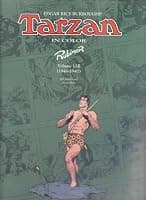
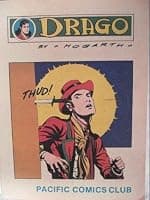
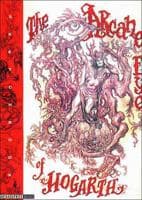
Become an expert in harnessing light and shade in your artwork with this comprehensive guide from the acclaimed cartoonist hailed as the "Michelangelo of the comic strip." Mastery of light and shade--rendered with accuracy and expressive power--is the key to three-dimensional form in drawing and painting. In
Dynamic Light and Shade, Burne Hogarth begins with the simplest light and shade, showing how a dark silhouette on white paper can communicate form and space. He then shows how the silhouette is transformed into three dimensions with the addition of minimal light--the highlight.
Hogarth covers the five basic categories of light and shade--single-source light, double-source light, diffused light, moonlight, and sculptural light--and illustrates the effects of these different kinds of light on a variety of subjects, examining both natural and artificial light sources. He then moves on to more complex lighting, explaining how to capture the effects of weather, time of day, and materials like glass and water. Hogarth illustrates every effect of light and shade with brilliant drawings in pencil, charcoal, carbon, pen and ink, and brush and ink, encouraging the reader to experiment with diverse drawing media.
Burne Hogarth's unique teaching methods in
Dynamic Light and Shade, part of his comprehensive Dynamic Drawing Series, are indispensable for every professional artist, art student, teacher, painter, sculptor, illustrator, cartoonist, animator, and serious amateur.
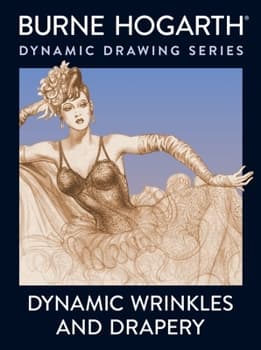
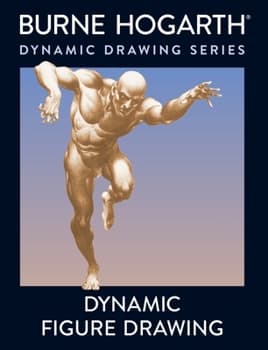
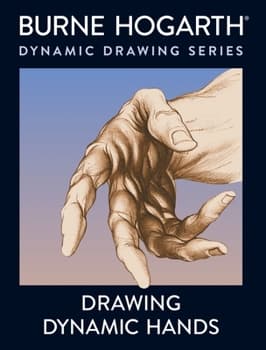
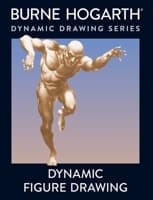
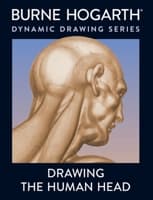
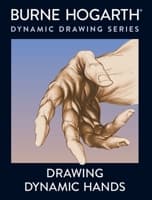
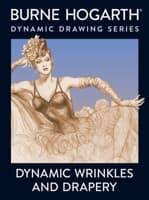
Burne Hogarth's masterful Dynamic Drawing Series is an invaluable resource for any artist: DRAWING DYNAMIC HANDS - DRAWING THE HUMAN HEAD - DYNAMIC ANATOMY - DYNAMIC FIGURE DRAWING - DYNAMIC LIGHT AND SHADE - DYNAMIC WRINKLES AND DRAPERY