


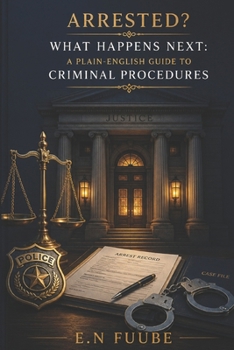
Arrested? What Happens Next: A Plain-English Guide to Criminal Procedures

Understand Your Rights, Navigate the Criminal Process, and Know What to Expect After an Arrest
Being arrested can be confusing, stressful, and overwhelming, especially when you don't understand what happens next. From police custody and searches to bail, criminal charges, court appearances, trials, and appeals, the criminal justice process involves important procedures that can significantly affect a person's future. This practical guide explains these stages in clear, plain English so readers can better understand the process and recognize the importance of obtaining appropriate legal advice.
Whether you're an everyday reader, law student, family member supporting someone facing criminal proceedings, or simply someone who wants to understand how the justice system works, this book provides an accessible introduction to the criminal process. It explains key procedures, common legal concepts, and important rights without relying on unnecessary legal jargon.
What You'll Find Inside This Book1. Understanding Arrests - Learn what an arrest means, the common grounds for arrest, the difference between warrant and warrantless arrests, and common misconceptions about police powers.
2. Rights at the Time of Arrest - Understand important protections involving silence, legal representation, searches, and police cautions.
3. Police Custody and Detention - Discover what typically happens after arrest, including booking, processing, detention periods, and conditions of police custody.
4. Searches and Seizures - Explore personal, vehicle, and home searches, along with the legal issues that can arise when searches or seizures are challenged.
5. Bail and Release - Learn what bail means, the factors courts may consider, common bail conditions, and the potential consequences of violating those conditions.
6. Criminal Charges - Understand how criminal charges are determined, how to read a charge sheet, how multiple charges may work, and when charges may be amended.
7. First Court Appearance - Discover the purpose of the first hearing, available plea options, basic courtroom procedures, and possible immediate outcomes.
8. Preparing a Defense - Learn about working with a lawyer, gathering evidence, identifying witnesses, and understanding the role of legal strategies in preparing a defense.
9. The Criminal Trial Process - Follow the major stages of a criminal trial, including opening statements, witness examination, presentation of evidence, judgment, and verdicts.
10. After the Trial - Explore sentencing, appeals, criminal records, and practical considerations for moving forward after a criminal case.
Why This Book Is a Must-HaveUnderstanding what happens after an arrest can make an unfamiliar legal process easier to navigate and help readers recognize when professional legal assistance is important. Knowledge of basic criminal procedures can also help individuals communicate more effectively with lawyers, understand court documents, and make more informed decisions throughout a case.
Whether you're trying to understand the justice system for yourself, supporting a family member, studying criminal law, or simply becoming more legally informed, this book provides a straightforward introduction to the criminal process. It is designed as an educational resource, not a substitute for advice from a qualified lawyer familiar with the laws and procedures applicable to a particular case.
#CriminalLaw #LegalRights #CriminalJustice #LawBooks #LegalEducation #KnowYourRights
Related Subjects
LawCustomer Reviews
ThriftBooks ® and the ThriftBooks ® logo are registered trademarks of Thrift Books Global, LLC
