


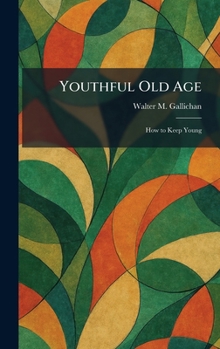
Youthful Old Age: How to Keep Young

"Youthful Old Age: How to Keep Young" is a comprehensive guide focused on the art of maintaining physical and mental vigor throughout the later stages of life. Written by Walter M. Gallichan, this work explores the multifaceted approach required to preserve vitality, covering topics such as diet, exercise, and the psychological aspects of aging. The book posits that old age need not be a period of decline, but rather a time of continued growth and enjoyment if approached with the right habits and mindset.
Gallichan provides practical advice aimed at extending one's "youthful" years, emphasizing the importance of staying active, curious, and engaged with the world. By examining the relationship between lifestyle choices and longevity, the text offers readers a historical perspective on early 20th-century wellness practices. "Youthful Old Age: How to Keep Young" remains a compelling testament to the timeless human desire for health and longevity, offering insights into how a disciplined and optimistic approach can transform the experience of aging into a period of renewed energy and fulfillment.
This work has been selected by scholars as being culturally important, and is part of the knowledge base of civilization as we know it. This work was reproduced from the original artifact, and remains as true to the original work as possible. Therefore, you may see the original copyright references, library stamps (as most of these works have been housed in our most important libraries around the world), and other notations in the work.
This work is in the public domain in the United States of America, and possibly other nations. Within the United States, you may freely copy and distribute this work, as no entity (individual or corporate) has a copyright on the body of the work.
As a reproduction of a historical artifact, this work may contain missing or blurred pages, poor pictures, errant marks, etc. Scholars believe, and we concur, that this work is important enough to be preserved, reproduced, and made generally available to the public. We appreciate your support of the preservation process, and thank you for being an important part of keeping this knowledge alive and relevant.
Customer Reviews
ThriftBooks ® and the ThriftBooks ® logo are registered trademarks of Thrift Books Global, LLC
