


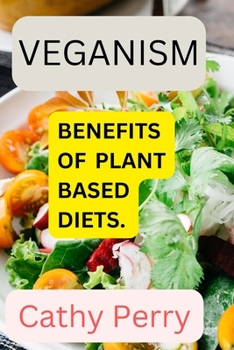
Veganism: Benefits of plant based diets
No Customer Reviews

There is evidence that some people have been eating a mostly plant-based or vegetarian diet for centuries, but the term "vegan" wasn't coined until 1944. Basically, people who follow a vegan diet have chosen to eliminate all animal-based foods from their diet. Many also choose vegan clothing, home goods, and personal care products. All of the foods in a vegan diet are plant-based. Fruits, vegetables, soy, legumes, nuts and nut butters, dairy substitutes made from plants, sprouted or fermented plant foods, and whole grains are all part of this diet pattern. Vegan diets exclude animal products such dairy, meat, poultry, eggs, and shellfish. Additionally, they are free of animal byproducts including honey (produced by bees) and less well-known animal-based substances like whey, casein, lactose, egg white albumen, gelatin, carmine, shellac, vitamin D3 generated from animals, and omega-3 fatty acids derived from fish. Honey is a byproduct of bees. The vegan diet emphasises foods that are high in fibre, phytonutrients, antioxidants, and vitamins A, C, E, and K. The effects of vegan diets on people's health have been researched. Even though a vegan diet can be quite nutrient-dense, there are some nutrients to pay special attention to while implementing this eating pattern. These include vitamin B12, calcium, some omega-3 fatty acids, and iron. The majority of vitamin B12 may be found in animal products, and it is crucial for healthy metabolism, neuron, heart, and muscle function. Those who consume a vegan diet ought to choose B12-fortified foods. Furthermore, considering that a B12 deficiency may not be detected on a blood test for years, people who adopt a vegan diet should speak with their doctor about monitoring their levels of B12 and their potential need for a supplement.
The health of your teeth, nerves, bones, and muscles depend on calcium, which is best absorbed when combined with vitamin D. Mostly found in dairy products, this vitamin is also present in trace levels in leafy greens like kale and broccoli. Additionally, fortified foods including tofu, bread, and plant-based dairy substitutes contain it. Following a vegan or vegetarian diet was linked to decreased bone mineral density and greater fracture risks, according to a comprehensive analysis. Since calcium and vitamin D are essential for bone health, persons who follow a vegan diet are encouraged to consult their doctor to see if a supplement may be required. The health of the heart and metabolism depend on iron. Animal meals are the main source of it. Even while spinach, beans, lentils, whole grains, and other plant-based meals are fortified with iron, the iron they contain is in the form of non-heme iron, which is less accessible than the heme iron found in animal products.
The health of your teeth, nerves, bones, and muscles depend on calcium, which is best absorbed when combined with vitamin D. Mostly found in dairy products, this vitamin is also present in trace levels in leafy greens like kale and broccoli. Additionally, fortified foods including tofu, bread, and plant-based dairy substitutes contain it. Following a vegan or vegetarian diet was linked to decreased bone mineral density and greater fracture risks, according to a comprehensive analysis. Since calcium and vitamin D are essential for bone health, persons who follow a vegan diet are encouraged to consult their doctor to see if a supplement may be required. The health of the heart and metabolism depend on iron. Animal meals are the main source of it. Even while spinach, beans, lentils, whole grains, and other plant-based meals are fortified with iron, the iron they contain is in the form of non-heme iron, which is less accessible than the heme iron found in animal products.
Format:Paperback
Language:English
ISBN:B0CFZKZFD1
ISBN13:9798858063339
Release Date:August 2023
Publisher:Independently Published
Length:148 Pages
Weight:0.46 lbs.
Dimensions:0.3" x 6.0" x 9.0"
Customer Reviews
0 rating
Copyright © 2026 Thriftbooks.com Terms of Use
| Privacy Policy | Do Not
Sell/Share My Personal Information | Cookie Policy | Cookie Preferences | Accessibility Statement
ThriftBooks® and the ThriftBooks® logo are registered trademarks of Thrift Books Global, LLC
ThriftBooks® and the ThriftBooks® logo are registered trademarks of Thrift Books Global, LLC
