


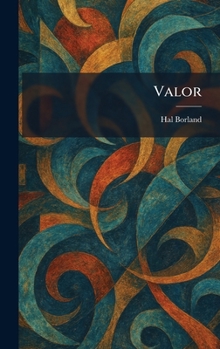
Valor

"Valor" is a compelling tale of a dog's spirit and the untamed beauty of the wilderness. The story follows a sheepdog mix who, after being mistreated by a harsh master, breaks free to find his place in the rugged natural landscape. As he navigates the challenges of survival and the complexities of his own instincts, he must decide between the world of men and the call of the wild.
Hal Borland, renowned for his evocative nature writing, captures the essence of the landscape and the internal life of an animal with remarkable empathy. This work showcases Borland's ability to blend adventure with profound observations on the relationship between humans and the natural world. Readers will be drawn into the high-stakes journey of a creature determined to live on his own terms.
"Valor" serves as a moving exploration of loyalty, resilience, and the inherent dignity found in all living things. It is a classic animal adventure that resonates with anyone who has ever felt the pull of freedom or the bond between species. This narrative stands as a testament to the enduring power of the animal story genre.
This work has been selected by scholars as being culturally important, and is part of the knowledge base of civilization as we know it. This work was reproduced from the original artifact, and remains as true to the original work as possible. Therefore, you may see the original copyright references, library stamps (as most of these works have been housed in our most important libraries around the world), and other notations in the work.
This work is in the public domain in the United States of America, and possibly other nations. Within the United States, you may freely copy and distribute this work, as no entity (individual or corporate) has a copyright on the body of the work.
As a reproduction of a historical artifact, this work may contain missing or blurred pages, poor pictures, errant marks, etc. Scholars believe, and we concur, that this work is important enough to be preserved, reproduced, and made generally available to the public. We appreciate your support of the preservation process, and thank you for being an important part of keeping this knowledge alive and relevant.
Customer Reviews
ThriftBooks ® and the ThriftBooks ® logo are registered trademarks of Thrift Books Global, LLC
