


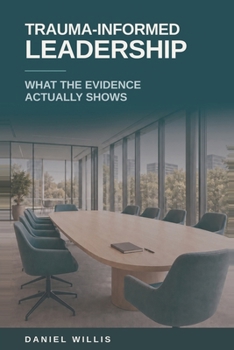
Trauma-Informed Leadership: What the Evidence Actually Shows

What does trauma-informed leadership look like when the evidence, the legal duties and the difficult decisions all matter?
Leaders are increasingly asked to create trauma-informed workplaces. But the advice they encounter can blur clinical concepts, overstate neuroscience and leave practical questions unanswered.
Trauma-Informed Leadership: What the Evidence Actually Shows offers a clear, critical and practical guide for leaders, managers, HR professionals and board members who want to reduce avoidable psychological harm while maintaining accountability.
Daniel Willis examines what research supports, where claims exceed the evidence, and what organisations can do about the working conditions they control.
Inside, you'll explore:
- The differences between trauma, distress, burnout and moral injury.
- What neuroscience and psychological safety research can and cannot tell leaders.
- How to respond to distress without diagnosing colleagues or excusing harmful behaviour.
- The legal framework in England and Wales, including psychosocial risk, reasonable adjustments and harassment prevention.
- How workload, investigations, rotas and management processes can create or reduce harm.
- What boards should measure, question and seek assurance about.
Six practical appendices provide board questions, a psychosocial risk assessment outline, a manager's conversation guide, a policy review checklist, a ninety-day action sequence and a guide to claims best avoided.
Written for readers who value compassion and scrutiny, this book connects humane leadership with clear expectations, fair processes and practical action.
A grounded guide to examining how work affects people and deciding what to change.
Customer Reviews
ThriftBooks ® and the ThriftBooks ® logo are registered trademarks of Thrift Books Global, LLC
