


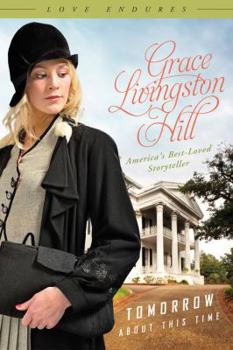
Tomorrow About This Time (Love Endures)


Select Format
Select Condition 
Book Overview
"Tomorrow About This Time" is a poignant work of Christian fiction that explores the complexities of family, redemption, and the consequences of past choices. The story follows Patterson Forsythe, a... This description may be from another edition of this product.
Format:Paperback
Language:English
ISBN:1616266589
ISBN13:9781616266585
Release Date:May 2012
Publisher:Barbour Books
Length:320 Pages
Weight:0.70 lbs.
Dimensions:8.4" x 0.8" x 5.5"
Customer Reviews
2 ratings
Tomorrow About This Time
Published by Thriftbooks.com User , 25 years ago
An amazing book! The title refers to the Bible text, which is quoted to the father, the main male character, at the beginning of the story. Sure enough, his life is turned upside down by the events of the next 24 hours. His two daughters, half sisters by different mothers, both come into his life after having been deprived of their father for most of their lives. Completely different in personality and character, they resemble their respective mothers. An amazing transformation is subtly and incredibly accomplished in several of the characters by the end of the story, which has a strong underlying spiritual tone throughout.
I think this is a wonderful book.
Published by Thriftbooks.com User , 28 years ago
I think that this book is a good one to curl up with on a rainy day. It doesn't have anything vulgar in it, and it is a true pleasure to read. This was the first book I have ever read that has been written by Grace Livingston Hill. It makes me itch to try other ones. Her writing style is clear and uses language that everyone can understand. If you have never read any of this truly exceptional author's books, now is the time to start. And don't think that this is just for adults. I am a 13 yr old teenager, and I enjoyed it very much. :)
Copyright © 2026 Thriftbooks.com
Terms of Use | Privacy Policy | Do Not Sell/Share My Personal Information | Cookie Policy | Cookie Preferences | Accessibility Statement
ThriftBooks ® and the ThriftBooks ® logo are registered trademarks of Thrift Books Global, LLC
ThriftBooks ® and the ThriftBooks ® logo are registered trademarks of Thrift Books Global, LLC
