


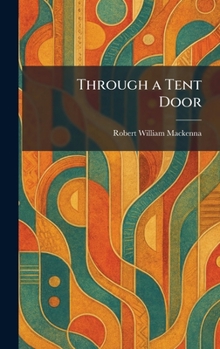
Through a Tent Door

Select Format
Select Condition 
Book Overview
"Through a Tent Door" is a profound collection of essays and reflections that capture the philosophical and humanitarian spirit of Robert William Mackenna. Written from the unique vantage point of a medical professional with a deep appreciation for the arts and spirituality, this work offers readers a series of contemplative vignettes on life, nature, and the enduring strength of the human soul. The title suggests a humble perspective-looking out from a temporary shelter upon the vast complexities of the world with wonder and empathy.
Throughout the volume, Mackenna weaves together personal anecdotes, professional observations, and lyrical descriptions of the natural world. The essays delve into themes of resilience, the healing power of beauty, and the quiet mysteries of existence. As a final legacy from a writer known for his compassionate outlook, "Through a Tent Door" remains a testament to the value of a life spent in service to others and in search of truth. This collection is an essential read for those interested in early 20th-century reflective literature and the literary contributions of physician-writers who sought to bridge the gap between science and the humanities.
This work has been selected by scholars as being culturally important, and is part of the knowledge base of civilization as we know it. This work was reproduced from the original artifact, and remains as true to the original work as possible. Therefore, you may see the original copyright references, library stamps (as most of these works have been housed in our most important libraries around the world), and other notations in the work.
This work is in the public domain in the United States of America, and possibly other nations. Within the United States, you may freely copy and distribute this work, as no entity (individual or corporate) has a copyright on the body of the work.
As a reproduction of a historical artifact, this work may contain missing or blurred pages, poor pictures, errant marks, etc. Scholars believe, and we concur, that this work is important enough to be preserved, reproduced, and made generally available to the public. We appreciate your support of the preservation process, and thank you for being an important part of keeping this knowledge alive and relevant.
Related Subjects
Literary Literary Criticism & Collections Literature Literature & Fiction PhilosophyCustomer Reviews
ThriftBooks ® and the ThriftBooks ® logo are registered trademarks of Thrift Books Global, LLC
