


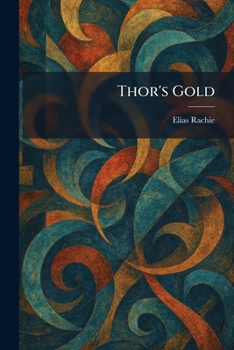
Thor's Gold

Select Format
Select Condition 
Book Overview
"Thor's Gold" is a compelling adventure novel that weaves together elements of mystery and cultural heritage. Set against a backdrop that bridges the traditions of the Old World with the realities of early 20th-century America, the narrative delves into themes of ancestral legacy and the enduring allure of Norse mythology. The story follows characters entangled in a search for hidden value-both material and spiritual-symbolized by the legendary gold of the thunder god.
Written by Elias Rachie, a figure deeply rooted in the cultural synthesis of the American Midwest, the work reflects the unique tensions between ancient folklore and modern ambition. The prose captures the spirit of exploration and the immigrant experience, showcasing how the myths of the past continue to shape the identities and motivations of the present. Readers of historical fiction and adventure will find a rich tapestry of intrigue that explores the weight of heritage and the cost of discovery.
As a piece of early 20th-century literature, "Thor's Gold" stands as a testament to the diverse storytelling traditions that contributed to the American literary landscape. It offers a fascinating glimpse into the thematic concerns of its era, blending the excitement of a quest with deeper reflections on honor and destiny.
This work has been selected by scholars as being culturally important, and is part of the knowledge base of civilization as we know it. This work was reproduced from the original artifact, and remains as true to the original work as possible. Therefore, you may see the original copyright references, library stamps (as most of these works have been housed in our most important libraries around the world), and other notations in the work.
This work is in the public domain in the United States of America, and possibly other nations. Within the United States, you may freely copy and distribute this work, as no entity (individual or corporate) has a copyright on the body of the work.
As a reproduction of a historical artifact, this work may contain missing or blurred pages, poor pictures, errant marks, etc. Scholars believe, and we concur, that this work is important enough to be preserved, reproduced, and made generally available to the public. We appreciate your support of the preservation process, and thank you for being an important part of keeping this knowledge alive and relevant.
Customer Reviews
ThriftBooks ® and the ThriftBooks ® logo are registered trademarks of Thrift Books Global, LLC
