


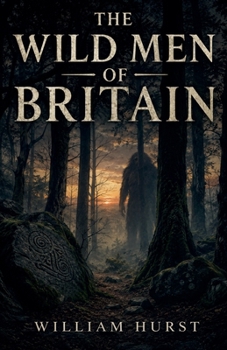
The Wild Men Of Britain

Across Britain, old stories speak of figures seen at the edge of the trees.
They are known by many names: wild men, woodwose, hairy men, mountain presences, grey giants, forest watchers, and strange human shaped things glimpsed on lonely roads, moors, hillsides, and ancient woodland paths. Long before the word Bigfoot entered modern language, Britain already carried its own tradition of the wild man, a being neither fully animal nor fully human, tied to wilderness, fear, folklore, and the places where civilisation gives way to something older.
In The Wild Men of Britain, William Hurst explores the roots of this unsettling tradition, from medieval woodwose imagery and green man symbolism to Highland legends, lonely mountain encounters, forest sightings, road ghosts, and modern reports of British Bigfoot like figures. This is not a book built on easy dismissal, nor one that forces certainty where none exists. Instead, it follows the evidence, the folklore, and the witness accounts into the shadowed ground between history and mystery.
The book examines the Big Grey Man of Ben Macdui, the wild figure in British medieval imagination, the eerie reputation of places such as Cannock Chase, the relationship between ancient landscapes and recurring sightings, and the deep cultural memory that may lie behind tales of hairy, silent, watchful beings. It also considers the geological connection between Scotland and Appalachia, asking why old mountain country on both sides of the Atlantic has produced such enduring legends of wild human shaped figures.
Written in a serious nonfiction style, The Wild Men of Britain presents a compelling study of folklore, landscape, witness testimony, and the enduring fear of what might be waiting beyond the firelight.
For readers interested in British folklore, hauntings, cryptids, Highland legends, ancient woodland, and the stranger side of rural history, this book offers a grounded but atmospheric journey into one of Britain's oldest and most persistent mysteries.
Customer Reviews
ThriftBooks ® and the ThriftBooks ® logo are registered trademarks of Thrift Books Global, LLC
