


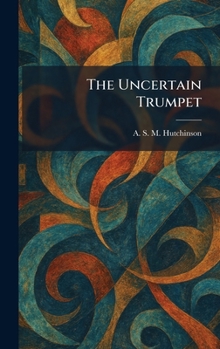
The Uncertain Trumpet

"The Uncertain Trumpet" is a poignant and thought-provoking novel by A.S.M. Hutchinson, one of the most celebrated British authors of the early twentieth century. Set against the backdrop of an English village, the story explores the spiritual and moral dilemmas of David Fothergill, a sincere young clergyman grappling with the weight of his calling and the complexities of human nature. Hutchinson masterfully portrays the tensions between tradition and modern sentiment, examining the inner lives of his characters with deep psychological insight.
The narrative delves into themes of faith, duty, and the search for authentic purpose in an increasingly secularized world. As Fothergill navigates the social hierarchies and personal grievances of his community, he is forced to confront the "uncertain trumpet" of his own convictions. Rich in atmosphere and emotional resonance, the novel captures the shifting social landscape of the post-World War I era. "The Uncertain Trumpet" remains a significant example of early twentieth-century literary fiction, offering readers a compelling look at the intersection of private conscience and public service.
This work has been selected by scholars as being culturally important, and is part of the knowledge base of civilization as we know it. This work was reproduced from the original artifact, and remains as true to the original work as possible. Therefore, you may see the original copyright references, library stamps (as most of these works have been housed in our most important libraries around the world), and other notations in the work.
This work is in the public domain in the United States of America, and possibly other nations. Within the United States, you may freely copy and distribute this work, as no entity (individual or corporate) has a copyright on the body of the work.
As a reproduction of a historical artifact, this work may contain missing or blurred pages, poor pictures, errant marks, etc. Scholars believe, and we concur, that this work is important enough to be preserved, reproduced, and made generally available to the public. We appreciate your support of the preservation process, and thank you for being an important part of keeping this knowledge alive and relevant.
Customer Reviews
ThriftBooks ® and the ThriftBooks ® logo are registered trademarks of Thrift Books Global, LLC
