


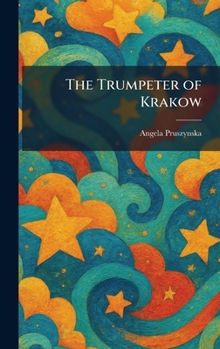
The Trumpeter of Krakow

"The Trumpeter of Krakow" is a gripping historical adventure set in the vibrant city of Krakow during the 15th century. This Newbery Medal-winning masterpiece transports readers to the medieval Kingdom of Poland, where a young boy and his family are entrusted with the protection of the legendary Great Tarnov Crystal. As they seek refuge in the city, they find themselves caught in a web of mystery, alchemy, and political intrigue.
The narrative is deeply rooted in the traditions of the city, most notably the haunting melody of the Heyna? Mariacki, played by the trumpeter from the tower of St. Mary's Basilica. Through a rich tapestry of historical detail, the story explores themes of duty, loyalty, and the pursuit of truth against a backdrop of encroaching danger and ancient secrets. Readers are introduced to a cast of memorable characters, including scholars, alchemists, and common citizens, all caught in the shift between the medieval and Renaissance worlds.
Combining suspenseful action with atmospheric descriptions, "The Trumpeter of Krakow" remains a cornerstone of historical fiction for young readers. It offers a fascinating glimpse into Polish culture and the enduring power of a legend that continues to echo through the streets of Krakow to this day.
This work has been selected by scholars as being culturally important, and is part of the knowledge base of civilization as we know it. This work was reproduced from the original artifact, and remains as true to the original work as possible. Therefore, you may see the original copyright references, library stamps (as most of these works have been housed in our most important libraries around the world), and other notations in the work.
This work is in the public domain in the United States of America, and possibly other nations. Within the United States, you may freely copy and distribute this work, as no entity (individual or corporate) has a copyright on the body of the work.
As a reproduction of a historical artifact, this work may contain missing or blurred pages, poor pictures, errant marks, etc. Scholars believe, and we concur, that this work is important enough to be preserved, reproduced, and made generally available to the public. We appreciate your support of the preservation process, and thank you for being an important part of keeping this knowledge alive and relevant.
Customer Reviews
ThriftBooks ® and the ThriftBooks ® logo are registered trademarks of Thrift Books Global, LLC
