


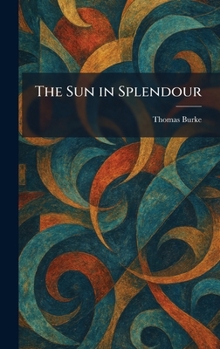
The Sun in Splendour

"The Sun in Splendour" is an evocative and immersive novel that captures the vibrant, gritty essence of early 20th-century London. Set primarily in Islington and the surrounding districts, the narrative centers on a public house of the same name, which serves as a vital crossroads for a diverse cast of characters navigating the complexities of urban life. Through its pages, Thomas Burke explores the tension between the harsh realities of the working class and the soaring aspirations of the human spirit.
The story follows the development of Christopher Scollard, a young man with profound musical ambitions, as he attempts to rise above his modest beginnings. Burke's prose masterfully blends social realism with a poetic sensibility, painting a detailed portrait of the sights, sounds, and social dynamics of the era. The novel delves into themes of artistic pursuit, family loyalty, and the search for beauty within the soot-stained streets of the city.
As a significant work of urban fiction, "The Sun in Splendour" offers a compelling look at a vanished London. It remains a powerful exploration of character and place, showcasing Burke's unique ability to document the atmosphere of the London streets and the internal lives of those who call them home. This work stands as a poignant contribution to the tradition of the British social novel.
This work has been selected by scholars as being culturally important, and is part of the knowledge base of civilization as we know it. This work was reproduced from the original artifact, and remains as true to the original work as possible. Therefore, you may see the original copyright references, library stamps (as most of these works have been housed in our most important libraries around the world), and other notations in the work.
This work is in the public domain in the United States of America, and possibly other nations. Within the United States, you may freely copy and distribute this work, as no entity (individual or corporate) has a copyright on the body of the work.
As a reproduction of a historical artifact, this work may contain missing or blurred pages, poor pictures, errant marks, etc. Scholars believe, and we concur, that this work is important enough to be preserved, reproduced, and made generally available to the public. We appreciate your support of the preservation process, and thank you for being an important part of keeping this knowledge alive and relevant.
Customer Reviews
ThriftBooks ® and the ThriftBooks ® logo are registered trademarks of Thrift Books Global, LLC
