


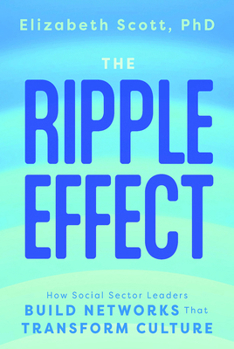
The Ripple Effect: How Social Sector Leaders Build Networks That Transform Culture

What separates good organizations from great ones isn't strategy, structure, or even talent--it's the quality of relationships that connect people across boundaries and enable collective action.
When Sarah took over as Executive Director of Youth Advancement Alliance, she inherited what looked like a success story: thirty chapters serving over 100,000 at-risk youth nationwide. But beneath the impressive metrics lay a troubling reality--declining engagement scores, duplicated efforts, and talented staff leaving for corporate jobs. Despite their shared mission, her organization felt like thirty separate entities rather than one unified force.
Sarah's challenge isn't unique. In our increasingly distributed work world, leaders everywhere are discovering that traditional management approaches fall short. The casual hallway conversations that once built culture naturally now require intentional design. The informal networks that spread innovation and trust have been disrupted, leaving organizations struggling to maintain the human connections that make work meaningful.
In The Ripple Effect, organizational development expert Dr. Elizabeth Scott reveals the hidden architecture that truly drives organizational success. Through Sarah's transformation journey and dozens of real-world case studies, from Microsoft's culture revolution under Satya Nadella to small nonprofits achieving outsized impact, readers discover how social capital becomes the foundation for everything else leaders hope to accomplish.
This isn't another book about networking or team building. It's a practical guide to understanding your organization's invisible relationship infrastructure and strategically strengthening the connections that enable collective action. You'll learn why some organizations emerge stronger from budget crises while others fracture under pressure, how leading nonprofits create integrated "service villages" that multiply their community impact, and why the teams that initially resist your initiatives often contain the very insights needed for breakthrough solutions. Whether you're leading a small team or a large institution, managing hybrid workers or breaking down departmental silos, this book provides the framework for creating the kind of connected, engaged culture that drives both individual fulfillment and organizational success. The future belongs to leaders who understand that lasting change spreads through relationships, not mandates.
The question isn't whether you have time to invest in relationships--it's whether you can afford not to.
Customer Reviews
ThriftBooks ® and the ThriftBooks ® logo are registered trademarks of Thrift Books Global, LLC
