


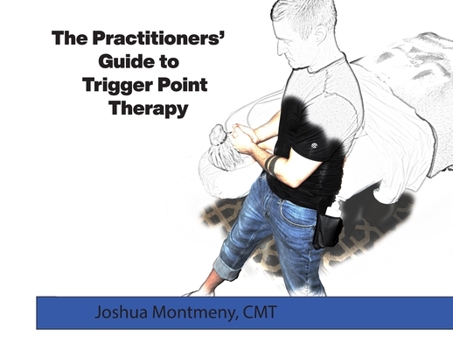
The Practitioners Guide to Trigger Point Therapy

When a group muscle fibers remain in a state of prolonged contraction, it can lead to muscle weakness, and loss of functionality, which can produce a cascade of negative effects to surrounding muscle regions. In the filed of massage therapy, we call this particular type of muscular dysfunction a Trigger Point. And the negative effects of a single Trigger Point can range from general soreness, stiffness, and limited range of motion to blinding headaches and even skeletal misalignment.
In order to combat these muscular anomalies, it's been found that deep, sustained pressure can cue the Somatic nervous system (that's the interface between the brain and our muscles), to come back on-line, and once again tell the muscle to relax, allowing it to return to normal functionality.
And that, in essence, is Trigger Point therapy.
The Practitioners Guide to Trigger Point Therapy is a how to guide written specifically for massage professionals (or those soon to become one), who are interested in delving into the practical application of Trigger Point therapy, and integrating these powerful techniques into their practice.
Customer Reviews
ThriftBooks ® and the ThriftBooks ® logo are registered trademarks of Thrift Books Global, LLC
