


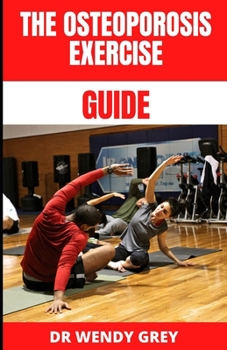
The Osteoporosis Exercise Guide: An Essential Guide to Safe and Effective Exercises for Osteoporosis

Strength training includes the use of free weights, resistance bands or your own body weight to strengthen all major muscle groups, especially spinal muscles important for posture. Resistance training can also help maintain bone density.
If you use weight machines, take care not to twist your spine while performing exercises or adjusting the machines.
Resistance training should be tailored to your ability and tolerance, especially if you have pain. A physical therapist or personal trainer with experience working with people with osteoporosis can help you develop strength-training routines.
A sedentary lifestyle, poor posture, poor balance and weak muscles increase the risk of fractures. A person with osteoporosis can improve their health with exercise in valuable ways, including: reduction of bone loss, conservation of remaining bone tissue, improved physical fitness, improved muscle strength, improved reaction time, increased mobility, better sense of balance and coordination, reduced risk of bone fractures caused by falls, reduced pain, better mood and vitality. Exercises that are good for people with osteoporosis include: weight-bearing aerobics exercise such as dancing, resistance training using free weights such as dumbbells and barbells, elastic band resistance, body-weight resistance or weight-training machines, exercises to improve posture, balance and body strength, such as tai chi.
Ready to discover more? Get a Copy of This Book NowCustomer Reviews
ThriftBooks® and the ThriftBooks® logo are registered trademarks of Thrift Books Global, LLC
