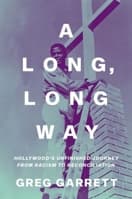
This book will thrill movie buffs and casual fans alike. In an engaging style, author Greg Garrett looks at the theological elements in dozens of classic and new classic Hollywood films, including a discussion about what the new openness to spirituality in the movies might mean for the future of American cinema and American religion.
Garrett writes from a "neo-evangelical" perspective, in the vein of Ron Sider or Sojourners Magazine. So his theology leans toward the conservative; his social and political views are slanted in a more liberal direction. Garrett finds Christian themes in films ranging from old classics (The Philadelphia Story, To Kill a Mockingbird, Cool Hand Luke) to more recent movies (Pulp Fiction, Magnolia, American Beauty). The first four chapters deal with more theological themes in films such as faith, the Trinity, sin, and redemption. The final two chapters explore more social and political themes such as war and peace, justice, poverty and race. While I occasionally disagreed with Garrett's theololgy (and/or his politics), I found his insights into the spiritual themes in films unerringly accurate and insightful. The author avoids two common traps in Christian interpretation of film. He does not try to read explictly Christian ideas into movies where the filmmakers clearly did not intend them. Nor does he wholisticlally condemn films that contain offensive elements such as nudity or violence. Instead he looks for the filmmakers intended themes and compares and contrasts them with Christian belief and practice. Although I have frequently taught college and greaduate classes on the spiritual themes in Hollywood movies, I learned a great deal from Garret's analysis. Readers who are interested in this topic may also want to read "Hollywood Worldviews" by Brian Godawa.