


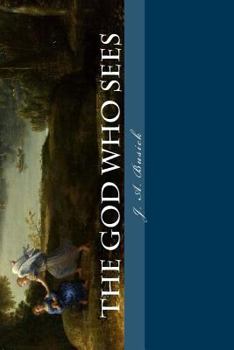
The God Who Sees: Lessons from Another Perspective

When we read the Bible, we tend to see the larger stories through the eyes of the people who appear to be the main characters. But what happens when we take a closer look at the people who seem to be supporting characters?
The God Who Sees examines five periods of biblical history through the lives of people whose stories are often overshadowed by the better-known figures around them. These biographical Bible studies ask what we discover when we take the time to see these people as individuals-with their own choices, struggles, relationships, faith, and encounters with God.
Meet women such as Sarah and Hagar, Miriam and Zipporah, Abigail and Bathsheba, and Mary and Martha, along with Priscilla and her husband, Aquila.
The five studies span:
The Age of the Patriarchs - Pointing to the New Covenant
The Age of Moses - Doing as God Demands
The United Kingdom - Take Your Petition to the King
The Gospels - Believe, and You Will See the Glory of God
The Early Church - No Permanent Dwelling Place
Hagar was an Egyptian slave, pregnant by her master and mistreated by her mistress. Yet she was the first person recorded in Scripture to encounter the Angel of the Lord-and she gave God a name: "You are the God who sees me."
The God Who Sees invites readers to look beyond the familiar biblical protagonists and consider the people who appear at the edges of their stories. What can we learn when we seek out lesser-seen stories from another perspective?
Every person in Scripture matters. The question is whether we take the time to see them.
Customer Reviews
ThriftBooks ® and the ThriftBooks ® logo are registered trademarks of Thrift Books Global, LLC
