The Gunter Grass Reader
Conditions
A read copy, but remains in excellent condition.
Formats
Conditions
A read copy, but remains in excellent condition.
Conditions
A read copy, but remains in excellent condition.
Formats
Conditions
A read copy, but remains in excellent condition.
Selected from the vast range of his work, the writings included in this anthology trace G nter Grass's development as a writer, and with it the history of a nation coming to terms with its past.
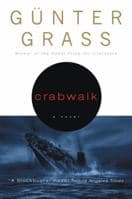
Excerpts from Grass's major novels-from The Tin Drum to Crabwalk-are included, as are numerous short fictions, essays, and poems, many of which have never appeared before in English. Grass's gifts as an observer of and participant in the social and political landscape are justly celebrated, as are his inimitable sense of humor, his consistent defense of the disadvantaged, and his mastery of the forms of expression he has employed over the years.
For readers in search of an introduction to his work or for those familiar primarily with his novels, this diverse collection offers a fresh and stimulating introduction to one of the world's greatest living writers.
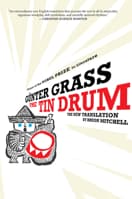
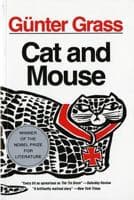
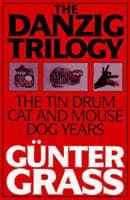
Günter Grass (16 October 1927 – 13 April 2015) was a German novelist, poet, playwright, illustrator, graphic artist, sculptor and recipient of the 1999 Nobel Prize in Literature. Grass was born in the Free City of Danzig (now Gdansk, Poland). In May 1945, after brief service as a teenaged soldier in the Waffen SS, he was taken prisoner by U.S. forces and released in April 1946. Trained as a stonemason and sculptor, he began writing in the 1950s. In his fiction, he frequently returned to the Danzig of his childhood. Grass is best known for his first novel, The Tin Drum (1959), a key text in European magic realism. It was the first book of his Danzig Trilogy, which includes Cat and Mouse and Dog Years. His works are frequently considered to have a left-wing political dimension, and Grass was an active supporter of the Social Democratic Party of Germany (SPD). The Tin Drum was adapted as a film of the same name, which won both the 1979 Palme d'Or and the Academy Award for Best Foreign Language Film. The Swedish Academy awarded him the Nobel Prize in Literature, praising him as a writer "whose frolicsome black fables portray the forgotten face of history". This article uses material from the Wikipedia article "Günter Grass" , which is released under the Creative Commons Attribution-Share-Alike License 3.0 .
There are currently no reviews. Be the first to review this work.