



Select Format
Select Condition 
Book Overview
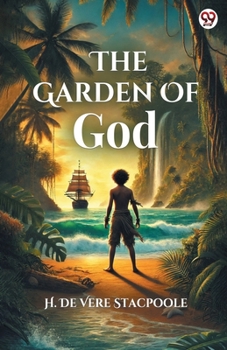
The Garden Of God is a poignant exploration of grief, longing, and the quest for redemption set against the backdrop of the South Seas. A father, plagued by the loss of his children, embarks on a journey filled with emotional turmoil after discovering their tragic fate. Struggling with a sense of guilt, his internal conflict grows as he clings to fleeting visions of reunion and seeks a path toward healing. The narrative delves into the powerful emotional currents of loss and the human desire to overcome despair. As the protagonist finds solace in an idyllic island environment, the story examines the complexities of human connections and the yearning for meaning in the face of mortality. The novel also subtly explores the intersection of spirituality and the cycle of life and death, suggesting that the bonds between loved ones may transcend the physical world, offering a glimmer of hope beyond the boundaries of life itself. Through this emotional journey, the work reflects on the enduring human spirit s search for peace and reconciliation.
Format:Paperback
Language:English
ISBN:9370819266
ISBN13:9789370819269
Release Date:March 2025
Publisher:Double 9 Books
Length:206 Pages
Weight:0.54 lbs.
Dimensions:0.5" x 5.5" x 8.5"
Customer Reviews
0 rating
Copyright © 2026 Thriftbooks.com
Terms of Use | Privacy Policy | Do Not Sell/Share My Personal Information | Cookie Policy | Cookie Preferences | Accessibility Statement
ThriftBooks ® and the ThriftBooks ® logo are registered trademarks of Thrift Books Global, LLC
ThriftBooks ® and the ThriftBooks ® logo are registered trademarks of Thrift Books Global, LLC
