


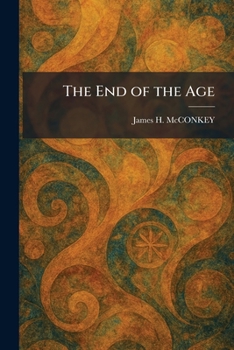
The End of the Age

"The End of the Age" is a profound exploration of Christian eschatology and biblical prophecy written by the influential devotional author James H. McConkey. This work delves into the scriptural foundations regarding the culmination of human history and the anticipated return of Jesus Christ. McConkey approaches the subject with a focus on providing clarity and spiritual encouragement to believers, examining the signs and dispensational shifts described in the Bible.
Throughout the text, the author emphasizes the practical implications of prophetic study, arguing that an understanding of the end times should lead to a deeper commitment to Christian service and personal holiness. By interpreting key passages from both the Old and New Testaments, "The End of the Age" offers a structured perspective on the divine timeline, the nature of the kingdom of God, and the ultimate victory of faith. This volume serves as a significant historical document reflecting early twentieth-century American Protestant thought on prophecy, making it a valuable resource for students of theology and biblical studies seeking to understand traditional perspectives on the final days.
This work has been selected by scholars as being culturally important, and is part of the knowledge base of civilization as we know it. This work was reproduced from the original artifact, and remains as true to the original work as possible. Therefore, you may see the original copyright references, library stamps (as most of these works have been housed in our most important libraries around the world), and other notations in the work.
This work is in the public domain in the United States of America, and possibly other nations. Within the United States, you may freely copy and distribute this work, as no entity (individual or corporate) has a copyright on the body of the work.
As a reproduction of a historical artifact, this work may contain missing or blurred pages, poor pictures, errant marks, etc. Scholars believe, and we concur, that this work is important enough to be preserved, reproduced, and made generally available to the public. We appreciate your support of the preservation process, and thank you for being an important part of keeping this knowledge alive and relevant.
Customer Reviews
ThriftBooks ® and the ThriftBooks ® logo are registered trademarks of Thrift Books Global, LLC
