


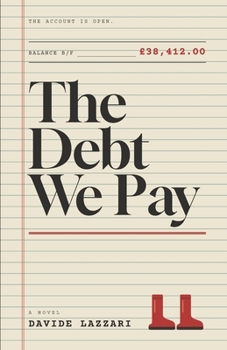
The Debt We Pay

A man. A ledger. Twenty-four months to earn back everything he destroyed.
Chris is thirty-six years old. He has two children he's not allowed to see, 38,412 in debts he can't repay, and a bottle in the cupboard above the fridge that he's sealed shut with electrical tape.
He is a gambling addict. He is, on certain days, an alcoholic. He is, by the assessment of a family court, a risk to his own children.
This is his diary.
Written on kitchen tables and warehouse floors and once on a bench in a park while his daughter held his finger and a duck ate bread at his feet - this is the raw, unsparing account of one man's attempt to rebuild a life from the inside out. No redemption arc. No easy forgiveness. Just the tedious, unglamorous, day-by-day machinery of a man learning to exist without the thing that was killing him.
There is Frank, the sponsor with eight fingers who calls at 6:14 every morning and asks three questions. There is Amara, the therapist who refuses to rescue him. There is Jenna, the wife who is protecting their children from the man she married. And there are George and Lisa - a boy in red wellies and a girl with her father's eyes - who are the only entry in the ledger that Chris didn't earn and cannot lose.
For readers of Shuggie Bain, A Little Life, Reasons to Stay Alive, and The Unlikely Pilgrimage of Harold Fry - and for anyone who has ever loved someone who couldn't stop.
This novel contains an afterword on male suicide, gambling addiction, and the silence that kills more men in Britain than any other cause under fifty.
The account is still open. The balance is not zero.
Customer Reviews
ThriftBooks ® and the ThriftBooks ® logo are registered trademarks of Thrift Books Global, LLC
