


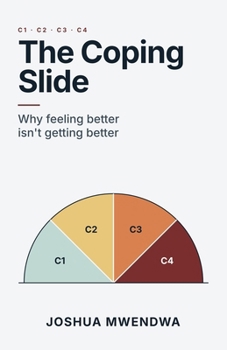
The Coping Slide: Why Feeling Better Isn't Getting Better

You went for a walk. It helped. Then it didn't.
You met friends for a drink. It helped. Then you needed two. Then more.
Most of us know how to feel better. We walk, we sleep, we scroll, we stay busy, we drink, we pull away. And for a while it works. But the thing that is actually hurting us, the debt, the job, the marriage, the loneliness, is still there the next morning, waiting outside the window.
The Coping Slide is a book about that gap: the difference between managing a feeling and dealing with what causes it.
Drawing on brain science, psychology and years of work in workplace health and safety, Joshua Mwendwa explains why the brain reaches for relief before we have even decided anything. He shows how ordinary coping can slowly slide from healthy habits to heavier ones, and how hope and despair start chasing each other in a loop.
At the heart of the book is the C1-C4 Coping Slide, a simple way to see where you are:
C1: walking, music, sleep. Healthy, but easy to hide behind.C2: friends, light drinks, staying busy. Normal, social, often praised.C3: heavier drinking, drugs, betting. The curtains get thicker.C4: isolation. The blackout shutters come down.Through honest stories, including the author's own, and composite portraits of people facing debt, loneliness, caring for a loved one, people-pleasing and pressure at work, this book helps you:
Recognise your own coping patterns, at any stageUnderstand what your brain is doing and why the relief keeps shrinkingName the real stressor behind the habitKnow when and how to reach out for helpTake the first step toward facing the problem, not just escaping itThis is not a book that judges you. It is a book that helps you see clearly enough to choose.
Because feeling better is not the same as getting better.
Customer Reviews
ThriftBooks ® and the ThriftBooks ® logo are registered trademarks of Thrift Books Global, LLC
