


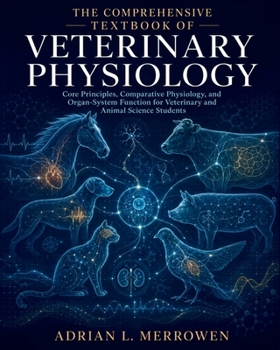
The Comprehensive Textbook of Veterinary Physiology: Core Principles, Comparative Physiology, and Organ-System Function for Veterinary and Animal Scie

Understanding veterinary physiology becomes easier when individual mechanisms are connected to the functions of the complete animal.
The Comprehensive Textbook of Veterinary Physiology presents the foundational principles of animal body function in a structured, accessible, and comparative format. Designed for veterinary and animal science students, veterinary technicians, instructors, and professionals reviewing essential concepts, it connects cellular processes with tissues, organs, integrated body systems, and whole-animal homeostasis.
Beginning with the physiological foundations of cells, membranes, body fluids, and biological regulation, the textbook progresses through the nervous, muscular, cardiovascular, respiratory, renal, gastrointestinal, endocrine, reproductive, immune, and thermoregulatory systems.
Its comparative approach highlights important physiological similarities and differences among companion animals, horses, livestock, birds, and selected exotic species.
Depending on the finished edition, learning features may include:
- Clearly defined learning objectives and essential terminology
- Step-by-step explanations of complex physiological mechanisms
- Comparative species-focused discussions
- Diagrams, tables, and system summaries
- Clinical correlations connecting normal function with disease processes
- Chapter-review questions and knowledge checks
- Explanations of homeostasis and communication between organ systems
Rather than presenting physiology as a collection of isolated facts, this textbook emphasizes the relationships that allow cells, organs, and systems to function together.
Whether used as a primary course text, supplementary learning resource, or professional review reference, The Comprehensive Textbook of Veterinary Physiology offers a systematic foundation for understanding normal animal function and preparing for more advanced study in pathology, pharmacology, medicine, surgery, and animal health.
This book is intended for educational purposes and does not replace accredited veterinary training, clinical judgment, or professional veterinary guidance.
Customer Reviews
ThriftBooks ® and the ThriftBooks ® logo are registered trademarks of Thrift Books Global, LLC
