


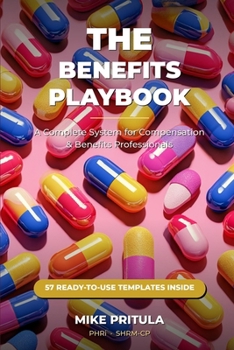
The Benefits Playbook: A Complete System for Compensation & Benefits Professionals

Can you name the three benefits your people would actually pay for out of their own pocket?
What share of last year's benefits budget went to perks almost nobody used?
If your CFO asked you to defend the benefits line tomorrow, item by item, how long would it take?
When a candidate asks "what do I get beyond salary," does your answer take under thirty seconds - and land?
If you flinched at any of these, this book is the diagnostic and the fix.
Every one of those questions has the same root: a benefits package built by copying, not by system. Someoneadded a gym subsidy one year, a wellness app the next, a perk because a competitor announced it - and nowyou own a budget you can't explain and a program nobody values. The Benefits Playbook replaces the pilewith a system you can defend, line by line, and hands you 57 ready-to-use templates to build it.
Templates inside that answer each kind of question:
Benefits Philosophy One-Pager - say what your benefits are for in one sentenceTotal Rewards Inventory Map - every benefit, cost, and user on one sheetBenefits Audit Scorecard - rate each program on value and real useUtilization Tracking Sheet - find the perks nobody touchesBenefits Survey Question Bank - ask people what they actually valueCafeteria Plan Design Canvas - let employees build their own package within budgetFlex-Points Allocation Grid - allocate flexible benefits fairly by grade and tenureBenefits Budget Model - build a budget you can defend to financeCFO Justification Deck - win the budget conversationBenefits Communication Calendar - make sure people notice what they getEvery template is printed in full - no email walls, no downloads.
An independent benefits and compensation consultant charges $120 to $250 an hour to build artifacts likethese for you. This book costs less than a working lunch and puts all 57 in your hands, drawn from the TotalRewards systems behind one of the strongest employer brands in its market.
Stop copying. Build the benefits system your budget can finally explain.
Customer Reviews
ThriftBooks ® and the ThriftBooks ® logo are registered trademarks of Thrift Books Global, LLC
