


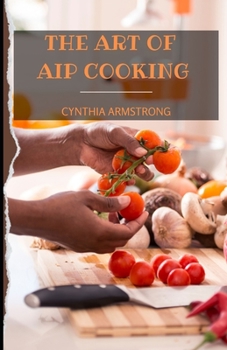
The Art of AIP Cooking: Discover the several benefits of the exotic autoimmune recipes

The Autoimmune Protocol (AIP) is a diet that aims to reduce inflammation, pain, and other symptoms caused by autoimmune diseases, such as lupus, inflammatory bowel disease (IBD), celiac disease, and rheumatoid arthritis.
Many people who have followed the AIP diet report improvements in the way they feel, as well as reductions in common symptoms of autoimmune disorders, such as fatigue and gut or joint pain. Yet, while research on this diet is promising, it's also limited.
A healthy immune system is designed to produce antibodies that attack foreign or harmful cells in your body. However, in people with autoimmune disorders, the immune system tends to produce antibodies that, rather than fight infections, attack healthy cells and tissues.
This can result in a range of symptoms, including joint pain, fatigue, abdominal pain, diarrhea, brain fog, and tissue and nerve damage. A few examples of autoimmune disorders include rheumatoid arthritis, lupus, IBD, type 1 diabetes, and psoriasis.
Autoimmune diseases are thought to be caused by a variety of factors, including genetic propensity, infection, stress, inflammation, and medication use. Also, some research suggests that, in susceptible individuals, damage to the gut barrier can lead to increased intestinal permeability, also known as "leaky gut," which may trigger the development of certain autoimmune diseases. Certain foods are believed to possibly increase the gut's permeability, thereby increasing your likelihood of leaky gut.
The AIP diet resembles the paleo diet, both in the types of foods allowed and avoided, as well as in the phases that comprise it. Due to their similarities, many consider the AIP diet an extension of the paleo diet - though AIP may be seen as a stricter version of it.The first phase is an elimination phase that involves the removal of foods and medications believed to cause gut inflammation, imbalances between levels of good and bad bacteria in the gut, or an immune response. During this phase, foods like grains, legumes, nuts, seeds, nightshade vegetables, eggs, and dairy are completely avoided.
Tobacco, alcohol, coffee, oils, food additives, refined and processed sugars, and certain medications, such as non-steroidal anti-inflammatory drugs (NSAIDs) should also be avoided.
Cynthia Armstrong talks about the benefits of autoimmune recipesCustomer Reviews
ThriftBooks ® and the ThriftBooks ® logo are registered trademarks of Thrift Books Global, LLC
