


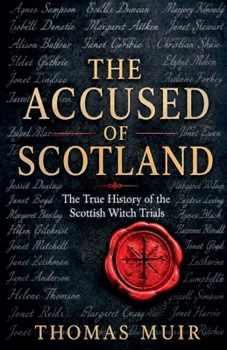
The Accused Of Scotland

Scotland's witch trials remain one of the darkest chapters in the nation's history. Behind every accusation stood a real person: a neighbour, healer, widow, servant, mother, beggar, minister, or labourer whose life could be undone by rumour, fear, poverty, religious pressure, and the machinery of law.
The Accused of Scotland tells the true history of the Scottish witch trials, from the Witchcraft Act of 1563 to the last remembered cases before repeal in the eighteenth century. It follows the rise of suspicion in parish life, the power of the Kirk, the courts and commissions that turned fear into death sentences, and the terrible methods used to obtain confessions, including watching, searching, witch-pricking, and relentless interrogation.
This book examines the great panics and infamous cases that shaped Scotland's witch-hunting history, including the North Berwick trials, the role of King James VI, the confessions of Isobel Gowdie, the trials of Fife and the east coast, the northern and island cases, and the late persecutions at Paisley, Pittenweem, and Dornoch. It also looks beyond the famous names to the ordinary women and men whose stories survive only in fragments of court records, parish minutes, and local memory.
Written as serious historical nonfiction, The Accused of Scotland does not treat the condemned as servants of the Devil, but as accused people caught in a world where law, religion, illness, weather, gossip, and misfortune could combine with fatal force.
This is a book about fear, belief, authority, injustice, and remembrance. It is the story of a country that once gave legal power to suspicion, and of the names that still remain after the fires went out.
Customer Reviews
ThriftBooks ® and the ThriftBooks ® logo are registered trademarks of Thrift Books Global, LLC
