


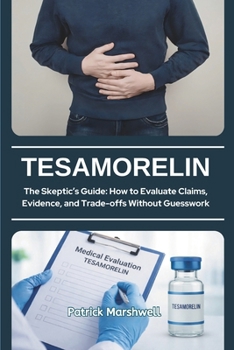
Tesamorelin: The Skeptic's Guide: How to Evaluate Claims, Evidence, and Trade-offs Without Guesswork

Information presented online, in forums, and even in some medical settings frequently conflicts, some sources touting Tesamorelin as a breakthrough for fat reduction and metabolic health, others warning of potential adverse effects, and still others positioning it as a panacea for a range of off-label applications. As a skeptic, your challenge is to sort through these competing claims and make sense of what is actually supported by robust evidence, what is speculative, and what might be outright misinformation.
The consequences of acting on poorly evidenced or incomplete Tesamorelin information are far from trivial. Within medical practice, basing decisions on unproven claims can expose patients to unnecessary risks or withhold legitimate treatments that have been shown to work. In wellness and consumer spaces, reliance on hype or anecdotal testimonies can lead to costly, ineffective, or potentially harmful self-experimentation.
This guide is built for those seeking clarity without hype. Here, you'll gain practical tools that make it possible to evaluate Tesamorelin claims with confidence rather than guesswork. You will learn how to identify which claims have legitimate backing, especially ones confirmed through large clinical trials or regulatory review versus those supported merely by anecdote or low-quality reports.
By the end of this guide, you will know how to: Identify and vet valid Tesamorelin claimsClassify evidence to distinguish between robust and weak supportSystematically assess risk-benefit trade-offsBuild comparison tables for claims and alternativesApply structured risk frameworks to decision-makingSample recipes of kimchi dishes Recognize and correct for common misinterpretations of Tesamorelin dataCustomer Reviews
ThriftBooks ® and the ThriftBooks ® logo are registered trademarks of Thrift Books Global, LLC
